Parents who think that YouTube is too distracting for children better get use to it being around now that the YouTube for Schools is going to be launched.
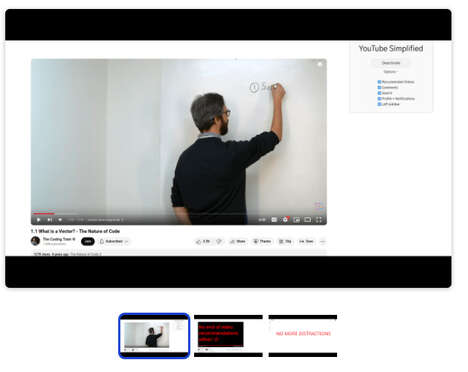
The video-sharing website is looking to put the company into the education system with YouTube for Schools so that multimedia can be utilized as a learning tool. Thousands of educational clips will be available from YouTube EDU that will include lectures from organizations such as Stanford, PBS and TED. Of course, the question is whether or not the students will be distracted by looking clips of the Biebs dancing around to his songs. The popular video search engine has solved this problem because YouTube EDU will only allow students to watch videos from that site. Comments and related videos will be disabled and the search is only limited to the content of the site.
It'll be interesting to see how effective this service is.
What's Driving This Trend
- Multimedia Learning
- The trend of using multimedia as an educational tool is growing, offering opportunities for innovative platforms and services.
- Distance Education
- The rise of online video-based education platforms opens up disruptive innovation opportunities in the distance learning industry.
- Filtered Content
- The demand for curated and filtered content in educational settings creates opportunities for platforms that provide safe and focused learning experiences.
Who This Affects Most
- Edtech
- The education technology industry can leverage YouTube for Schools and similar platforms to develop new tools and solutions for multimedia-based learning.
- Online Video
- The online video industry can tap into the growing demand for educational content and develop specialized platforms for schools and students.
- Education Publishing
- Education publishers can explore partnerships with YouTube for Schools and other platforms to distribute and monetize their educational content.