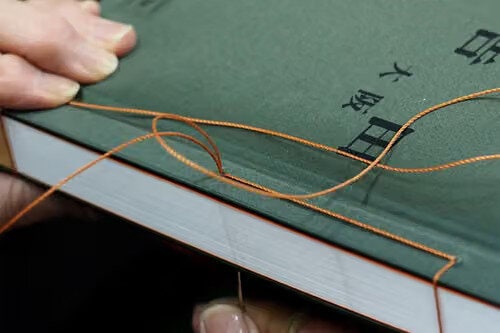
YOSHIDA & Co. 90 Anniversary BOOK commemorates the Japanese bag maker's 90-year history through a visual publication that reflects the brand's craftsmanship in its construction. The book is bound using the traditional Japanese wa-toji stitching method and sewn with the same thread used to manufacture Yoshida's bags. Two editions are available: a Collector's Edition finished in TANKER fabric and a Library Edition wrapped in cloth-covered board.
The publication focuses on the brand's work over the past decade while documenting anniversary projects, including the ALL NEW TANKER collection made from 100% plant-based nylon and the Every day is a new beginning exhibition at Kudan House. Historical material traces Yoshida's origins through archival imagery, founder Yoshida Kichizo's tools, and the handcart used during the company's earliest years. The YOSHIDA & Co. 90 Anniversary BOOK is scheduled to release on August 15.
Image Credit: Yoshida Kaban
What's Driving This Trend
- Craft-bound Brand Archives
- Heritage companies are turning commemorative publications into tactile artifacts, creating new value through materials, bindings, and production details that mirror core product craftsmanship.
- Bio-based Legacy Materials
- Anniversary storytelling increasingly highlights sustainable material upgrades, where plant-based textiles and archival context make environmental innovation part of a brand’s long-term identity.
- Collectible Corporate Publishing
- Limited-edition books with differentiated finishes are expanding brand memorabilia beyond apparel and accessories, opening premium channels for collectors, museums, and loyal customers.
Who This Affects Most
- Luxury Goods
- Premium brands can extend craftsmanship narratives into physical media, blending product-grade materials with storytelling formats that deepen customer attachment.
- Publishing
- Specialty publishers are finding growth in object-like books that combine editorial content with bespoke fabrication, limited editions, and collectible design.
- Sustainable Textiles
- Material innovators gain visibility when bio-based fabrics are embedded in heritage launches, positioning ecological alternatives as premium and culturally meaningful.