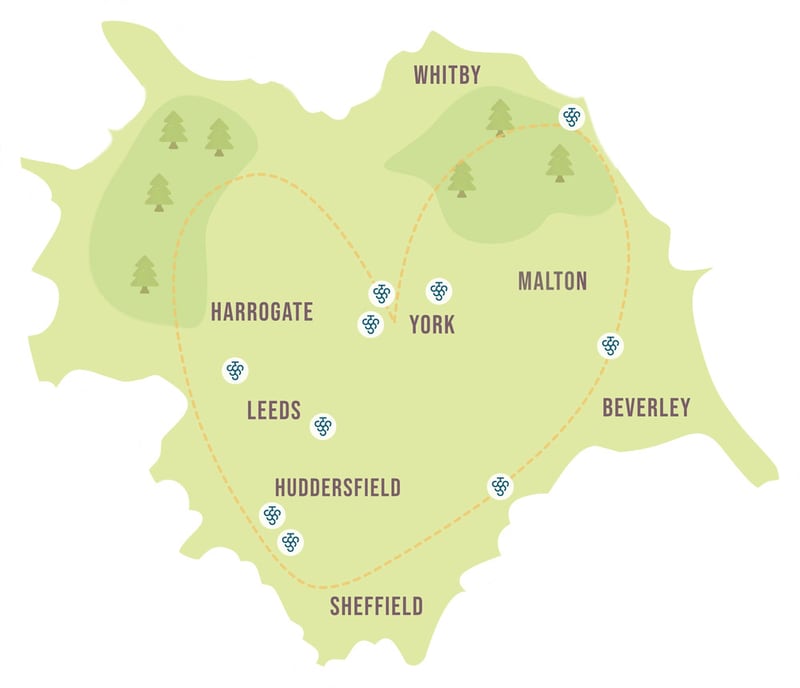
Regional wine trails like the Yorkshire Wine Trail reflect a growing shift toward collaborative, experience-led tourism. By uniting multiple vineyards under a single, structured route, the initiative transforms independent wineries into a cohesive destination, making it easier for visitors to plan multi-stop trips. The addition of a passport-style reward system further enhances engagement, encouraging repeat visits and deeper exploration of local offerings.
This model allows smaller, family-run vineyards to benefit from shared visibility and pooled marketing efforts. Instead of competing individually, participants collectively attract larger audiences and extend visitor stays across the region. The approach also opens opportunities for partnerships with nearby restaurants, accommodations, and tourism boards, creating a broader ecosystem that drives regional economic growth. For the wider industry, this signals a move toward bundled, gamified travel experiences that prioritize convenience, discovery, and community-driven value.
Image Credit: Yorkshire Wine Trail
Why This Trend Is Growing
- Collaborative Wine Trails
- Shared routing and pooled marketing between vineyards creates a unified destination that can shift visitor patterns from single-stop visits to extended multi-site itineraries.
- Gamified Visitor Engagement
- Passport-style rewards and milestone incentives increase repeat visitation and deepen exploration by turning tastings into collectible, behavior-driving experiences.
- Bundled Regional Tourism
- Regional packaging of wineries with restaurants and accommodations forms an integrated ecosystem that extends stays and redistributes tourism revenue across adjacent businesses.
Industries Being Reshaped
- Independent Wineries
- Smaller, family-run vineyards gain amplified visibility and revenue stability when participation in cooperative routes transforms individual brands into components of a larger visitor proposition.
- Hospitality and Accommodation
- Local hotels and B&Bs experience demand shifts as multi-stop wine trails encourage overnight stays and create opportunities for curated lodging packages tied to trail itineraries.
- Digital Tourism Platforms
- Online booking and mapping services become central as integrated itineraries and gamified reward tracking require seamless digital coordination and real-time visitor information.