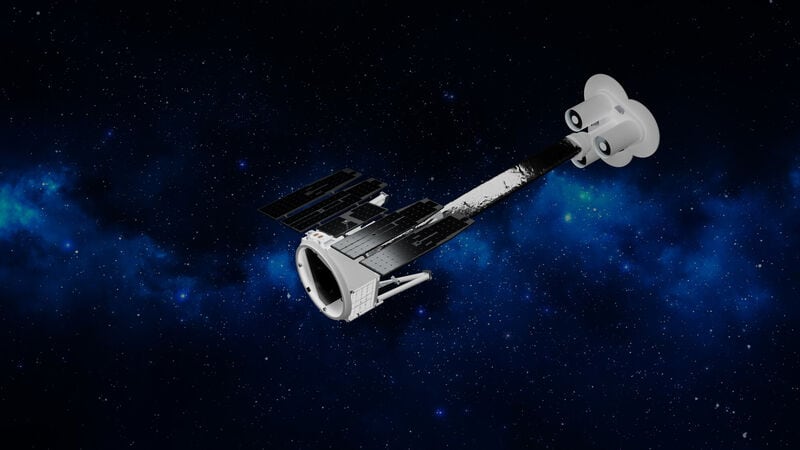
'NASA,' in collaboration with 'SpaceX' and the 'Italian Space Agency,' has begun a two-year-long expedition to measure the X-ray polarization of different celestial objects. This mission involves the use of Nasa's 'Imaging X-ray Polarimetry Explorer' (IXPE), which was built to discover the secrets of extreme objects in the universe, such as black holes.
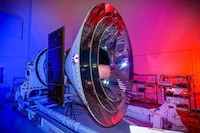
The mission, which began on December 3rd on a SpaceX Falcon 9 Rocket in Florida, will survey 40 celestial bodies in the first year. The IXPE measures polarized light, which stores data from what the light has passed through. The IXPE has three telescopes which have sets of advanced optics that can generate an image of an X-ray and measure polarization. The data collected from this mission is aimed to reveal critical information on elusive galactic mysteries such as how black holes spin, why pulsars shine brightly, and various other questions related to energetic particles.
Image Credit: NASA
Key Themes Behind This Trend
- X-ray Polarization Measurements
- The use of X-ray polarization measurements to study celestial objects presents opportunities for developing new technologies such as advanced optics.
- Imaging X-ray Polarimetry Explorer (IXPE)
- The development and use of the IXPE provides new opportunities for studying black holes and other extreme objects in the universe.
- Space Exploration and Collaboration
- The collaboration between NASA, SpaceX, and the Italian Space Agency for space exploration presents opportunities for further collaboration and innovation in the space industry.
Where This Applies
- Aerospace
- The development of advanced optics for X-ray polarization measurements can lead to new innovations in the aerospace industry.
- Space Technology
- The development and use of the IXPE presents opportunities for further innovation in space technology.
- Scientific Research
- The use of X-ray polarization measurements in scientific research presents opportunities for discovering new information about the universe.