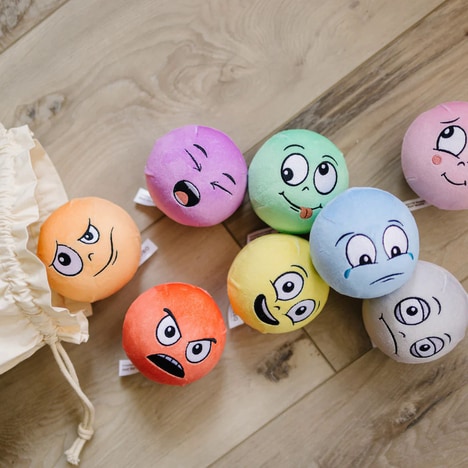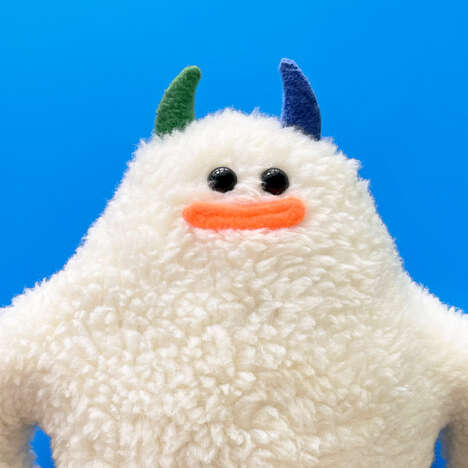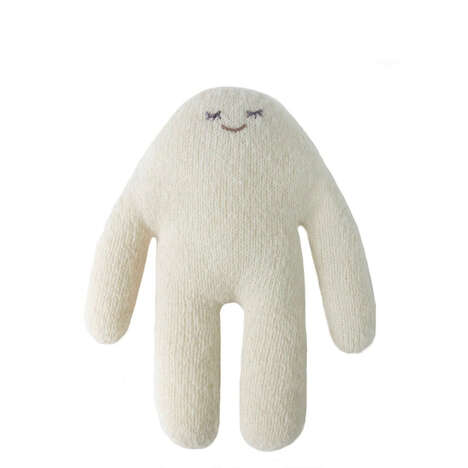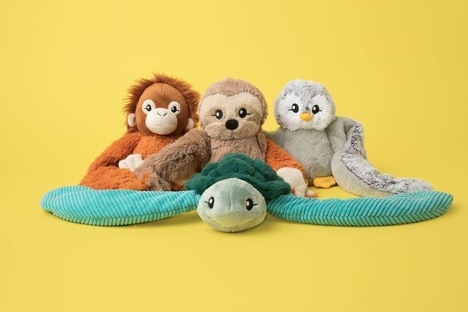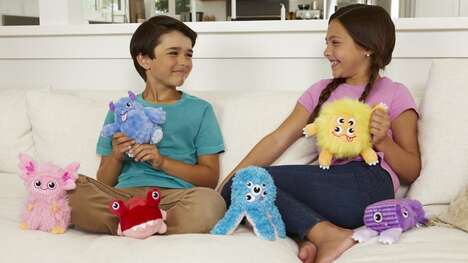
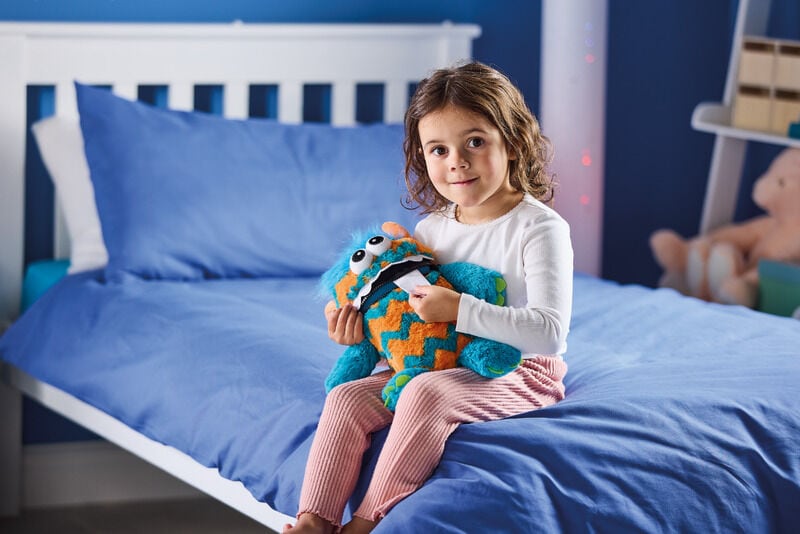
A recent study showing that one in six children experience anxiety-related issues prompted Aldi to create a range of products to support mental health and wellness in kids—and it introduces cuddly companions like the Worry Monster.
This unique soft friend features a zippered component in the shape of a mouth that can be used to "eat" worries. Available in pink, blue and purple, the Worry Monster is a comforting toy that teaches kids to express, and address, their feelings.
Aldi's new range affordably supports children's wellness and mental health with products priced as low as £2.99. Alongside the Worry Monster, Aldi introduced weighted plush toys in the shape of bears, dinosaurs, and bunnies, plus soothing sensory solutions like color-changing lights and LED ball pits.
What Makes This Trend Stand Out
- Therapeutic Plush Toys
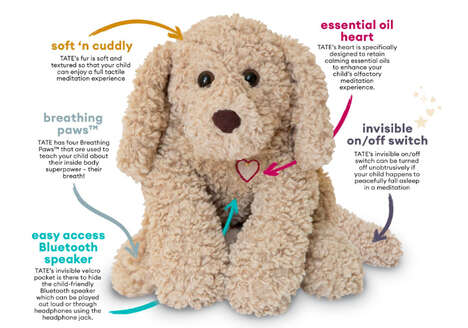
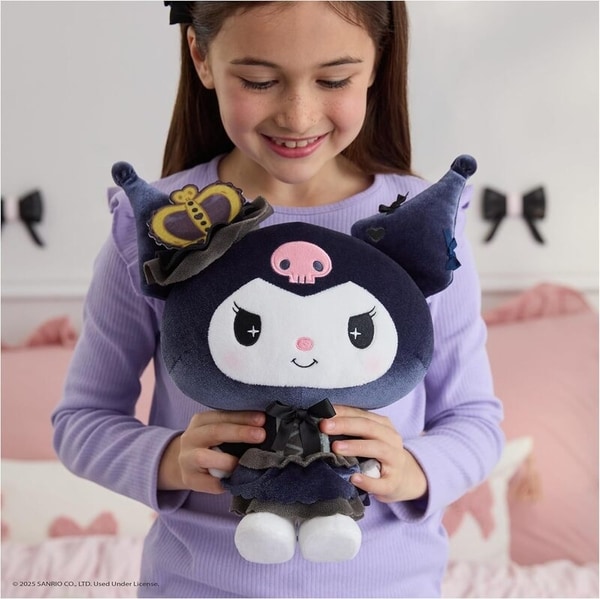
- Plush toys designed for therapeutic purposes are gaining popularity by blending comfort with emotional wellness support.
- Affordable Mental Health Aids
- The rise in accessibility of low-cost mental wellness products for children is reshaping the market, making it easier for families to bolster mental health care.
- Interactive Emotional Learning Tools
- Products that combine play with emotional learning, such as the Worry Monster, are emerging as vital tools for early childhood development.
Sectors Adopting This
- Childhood Wellness Products
- Innovations in childhood wellness products are transforming how retailers appeal to health-conscious parents seeking accessible tools for mental health.
- Educational Toy Manufacturing
- Toy manufacturers are disrupting traditional markets by integrating educational features into toys, enhancing child development through play.
- Retail Health Solutions
- Retailers are increasingly adopting holistic health solutions, providing a diverse array of products that support mental well-being at multiple price points.