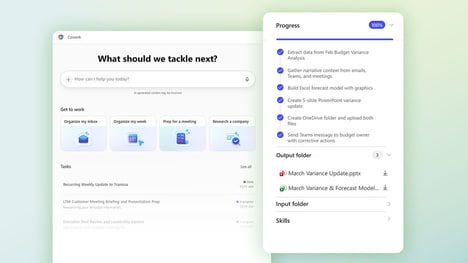
MIND expanded its AI-native data loss prevention (DLP) offering for organizations using Microsoft software, adding generally available integrations with Microsoft Copilot and Microsoft Purview. These integrations automatically find, classify, and block sensitive information across those environments, tying AI use to the same protection rules companies already manage, the company says.
A Windows endpoint agent adds live controls for desktop and browser activity, and an email connection checks messages before confidential material leaves the business. MIND also reads and applies Purview sensitivity labels, adding AI-based classification and automated fixes to existing data-handling policies.
MIND shows how Purview label support and Windows-level enforcement can connect Copilot rollout with data governance work for organizations using Microsoft software, while keeping AI use tied to existing protection rules. The product is available through Microsoft Marketplace.
Image Credit: AI-generated
What's Driving This Trend
- AI-native Data Protection
- Enterprise security stacks are shifting toward AI-aware controls that classify sensitive information in real time across copilots, endpoints, browsers, and email systems.
- Copilot Governance Automation
- The rise of workplace AI assistants is creating demand for automated policy enforcement that links generative AI use with established data governance frameworks.
- Sensitivity Label Integration
- Existing classification labels are becoming a foundation for smarter data controls, allowing AI systems to extend legacy compliance rules into new productivity environments.
Who This Affects Most
- Cybersecurity
- Security vendors are finding new openings in AI-specific DLP tools that protect sensitive data as employees adopt generative workplace platforms.
- Enterprise Software
- Productivity ecosystems are evolving around embedded governance capabilities that make AI adoption safer for large organizations with complex compliance needs.
- Compliance Technology
- Regulated businesses are increasing reliance on automated classification, monitoring, and remediation tools that reduce risk across expanding digital workspaces.