This special wood foam material could mean the end of non-biodegradable styrofoam, used for everything from insulation to packaging for shipping.
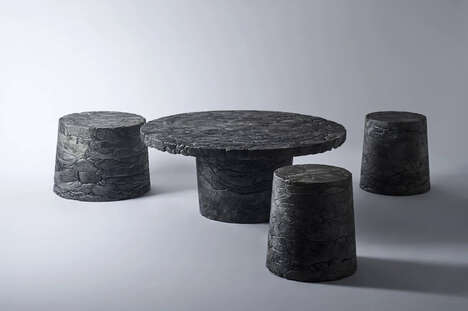
At least that's what the team behind the creation of 'Cellufoam' hope for with their eco-friendly alternative made entirely from biodegradable and renewable wood pulp. The wood foam cellulose invention was developed by a team of Swedish professors, and they hope the new shock-absorbing and insulating material will have a number of useful applications.
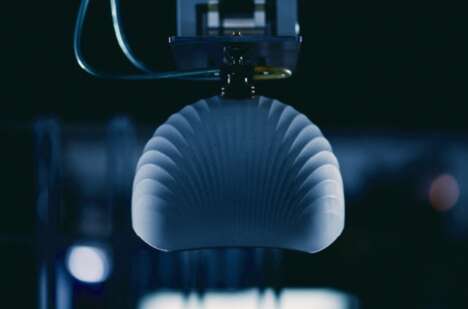
The first example of 'Cellufoam' in action is a bike helmet produced by Stockholm-based startup company Cellutech. Not only does the helmet use the cellulose fiber foam material, but the entire unit is actually made from renewable forest products as well. A wooden veneer makes up the outer layer, while the straps are also constructed from durable paper material as well.
Key Themes Behind This Trend
- Biodegradable Materials
- The development of biodegradable wood foam material presents opportunities for creating eco-friendly alternatives to non-biodegradable materials like styrofoam.
- Renewable Resources
- Using renewable wood pulp and forest products in the production of items like bike helmets opens up possibilities for sustainable and environmentally friendly manufacturing processes.
- Shock-absorbing Materials
- The invention of wood foam cellulose introduces a new alternative for creating shock-absorbing and insulating materials with a wide range of potential applications.
Where This Applies
- Packaging Industry
- The use of biodegradable wood foam in packaging materials could disrupt the traditional non-biodegradable packaging industry by providing a sustainable and eco-friendly alternative.
- Sporting Goods Industry
- The development of wood foam helmets could revolutionize the sporting goods industry by offering a sustainable and effective alternative to traditional foam-based helmets.
- Construction Industry
- The use of wood foam as an insulating material could disrupt the construction industry by providing a biodegradable and renewable alternative to traditional insulation materials.