Founded by Sarah Collins, Wonderbag is a company that offers developing countries an innovative new way to cook that helps to conserve energy and water resources. So far, there are already 150,000 homes in South Africa using the Wonderbag to cook.
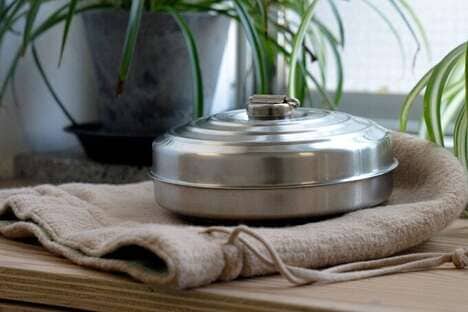
The Wonderbag itself is an insulated bag that operates like a slow cooker. After food has been boiled separately on the stove, you place it in the Wonderbag to let it continue cooking. It can be used for cooking everything from stews and soup to veggie curry and rice, and its primary benefit is that it reduces energy waste since no additional energy is needed to cook the food after it has been boiled. Plus, since the Wonderbag insulates the pot inside at a constant temperature, there is less water evaporation and therefore less water is needed for cooking.
According to the Wonderbag site, the innovative cooking tool can reduce a family's fuel usage by 30 percent. The eco-friendly Wonderbag also decreases the likelihood of respiratory illnesses and other diseases because it decreases carbon dioxide emissions and toxic fumes.
Why This Trend Is Growing
- Energy Conservation Cooking
- Wonderbag's innovative slow cooker sac reduces energy usage while cooking.
- Sustainable Cooking Solutions
- Wonderbag's eco-friendly cooking solution is a great way to decrease waste and increase sustainability.
- Eco-friendly Kitchen Appliances
- Wonderbag's innovative and eco-friendly cooking sacs offer a great opportunity for businesses to invest in eco-friendly kitchen appliances.
Industries Being Reshaped
- Home Appliances
- The Wonderbag sac offers innovative, eco-friendly slow cooker sacs for homes.
- Sustainability & Environmentalism
- Wonderbag is a sustainable solution to cooking that can impact environmentalism and sustainability.
- International Aid & Development
- The Wonderbag offers a great opportunity for international aid and development organizations to invest in sustainable solutions for cooking in developing countries.