
At the 2026 Consumer Electronics Show in Las Vegas, Powercast is advocating for the integration of wireless power systems as a fundamental component of modern infrastructure. The company maintains that we need to move beyond simple device charging to enable persistent operation for a wide array of electronics.
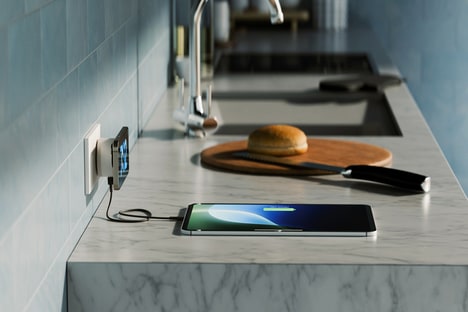
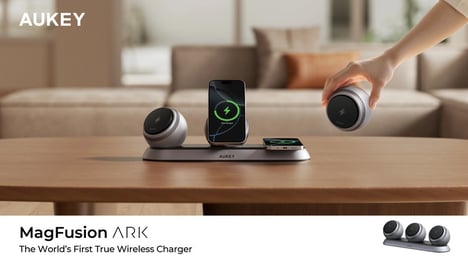
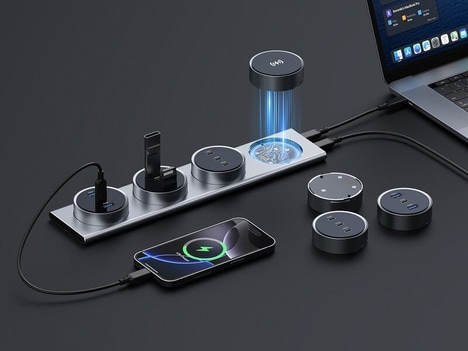
At CES 2026, Powercast is demonstrating three distinct technological approaches — a radio frequency method for delivering low levels of energy over considerable distances to small sensors, a magnetic resonance system for creating localized charging zones within furniture or surfaces, and a high-power inductive solution for rapidly energizing larger equipment like robots or tools.
Powercast's portfolio, thus, is framed as a solution to the limitations imposed by traditional batteries and physical connectors, which can hinder reliability, increase maintenance, and restrict design possibilities in automated and data-driven environments.
Image Credit: Powercast
Why This Trend Is Growing
- Long-distance Wireless Charging
- Innovations in radio frequency technologies are enabling energy transmission over considerable distances, allowing small sensors to function continuously without traditional batteries.
- Integrated Smart Furniture
- Local charging zones created through magnetic resonance within furniture represent a shift towards seamless and invisible power solutions embedded into everyday environments.
- High-power Inductive Solutions
- Inductive solutions capable of rapidly charging larger equipment redefine the possibilities for automated systems and tools, removing the constraints of physical connectors.
Industries Being Reshaped
- Smart Home Technology
- The integration of wireless power systems into household infrastructure could revolutionize how homes are designed and function, enhancing both convenience and efficiency.
- Industrial Automation
- Wireless power solutions minimize maintenance needs and reliability issues in industrial settings, offering a transformative shift in how equipment and robots are powered.
- Consumer Electronics
- The evolution towards wireless power infrastructure in consumer electronics opens up new design possibilities and user experiences unencumbered by traditional power constraints.