Digital Information Resources expanded into wine media with WineWalrus.com, a site built to make wine learning, exploration and culture easier to approach. It is aimed at wine enthusiasts across experience levels, from people just starting out to readers who want deeper knowledge of grapes, regions, tasting and pairings.
The site enters a category with a large U.S. footprint: wine generates about $323.5 billion in yearly economic activity, and there are more than 10,700 producing facilities. Those wineries span all 50 states, and wine travel draws roughly 74 million visits a year worth over $14 billion in related spending.
Digital Information Resources shows how a $323.5 billion market can help a wine site expand access for beginners who might hesitate at the shelf, while tying education to regions, tasting, and culture creates value for wineries and tourism businesses that benefit when enthusiasts stay engaged.
Image Credit: Digital Information Resources, LLC
Why This Trend Is Growing
- Accessible Wine Learning
- Beginner-friendly digital guides lower barriers to wine discovery, creating room for platforms that simplify tasting, grape knowledge and buying confidence.
- Wine Tourism Content
- Editorial resources tied to regions and culture can connect education with travel demand, reshaping how wineries attract and retain curious visitors.
- Digital Tasting Guidance
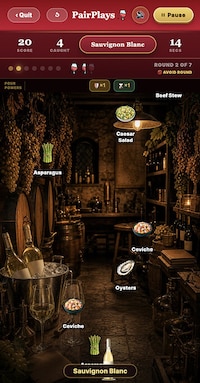
- Personalized online pairing and tasting tools introduce scalable ways to support consumers at the shelf, at restaurants and during at-home wine exploration.
Industries Being Reshaped
- Wine Media
- Specialized information sites are redefining wine publishing by making expert knowledge more approachable for audiences beyond traditional enthusiasts.
- Wine Tourism
- Education-led content can strengthen regional destination marketing by linking wineries, travel planning and cultural storytelling in one consumer journey.
- Alcohol Retail
- Retailers benefit from digital wine education that helps hesitant shoppers navigate selections, encouraging more informed purchases and category engagement.