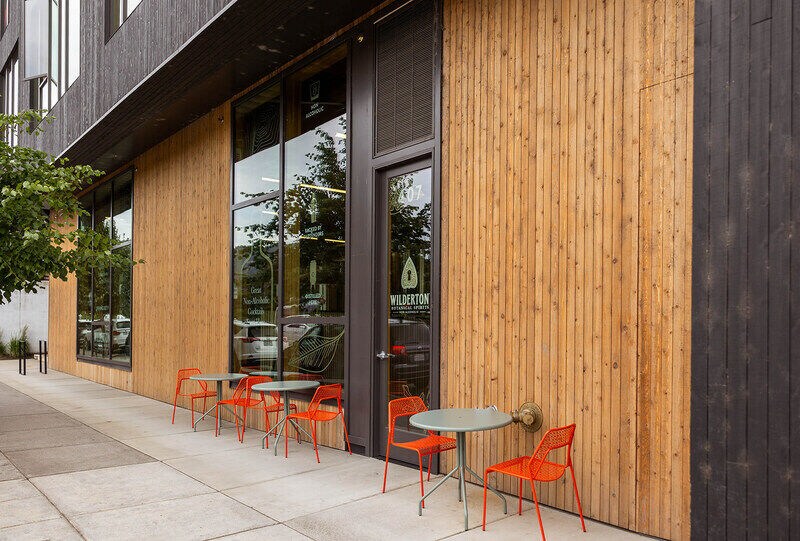
As a producer of craft non-alcoholic spirits, Wilderton is setting itself apart in an increasingly competitive market with plans to open the country's first exclusively non-alcoholic distillery and tasting room. According to Wilderton, this new destination will serve as "a hub for brand and category education, community engagement, and the exploration of non-alcoholic craft spirits."
The growing popularity of low-alcohol and no-alcohol beverages is evident in the increasing availability of options in retail stores, bars, and restaurant menus, reflecting a shift towards more inclusive drinking experiences. This dedicated distillery and tasting room focused on non-alcoholic beverages has the potential to further foster inclusivity by creating spaces for discovery, innovation and community, allowing adults to explore a wide range of flavorful and sophisticated non-alcoholic drinks in an immersive and social setting.
Why This Trend Is Growing
- Craft Non-alcoholic Spirits
- The market for craft non-alcoholic spirits is growing, presenting opportunities for innovative flavors and experiences.
- Inclusive Drinking Experiences
- The shift towards more inclusive drinking experiences creates a demand for diverse and sophisticated non-alcoholic options.
- Spaces for Discovery and Innovation
- Dedicated distilleries and tasting rooms focused on non-alcoholic beverages can become hubs for discovery, innovation, and community engagement.
Industries Being Reshaped
- Craft Beverage
- The craft beverage industry can explore the production and marketing of non-alcoholic spirits as a new revenue stream.
- Hospitality and Entertainment
- Hotels, bars, and restaurants can enhance their offerings by incorporating dedicated non-alcoholic tasting rooms for customers seeking inclusive drinking experiences.
- Event and Experience Planning
- Event planners can tap into the trend of non-alcoholic tasting rooms to create unique experiences and gatherings centered around craft non-alcoholic spirits.