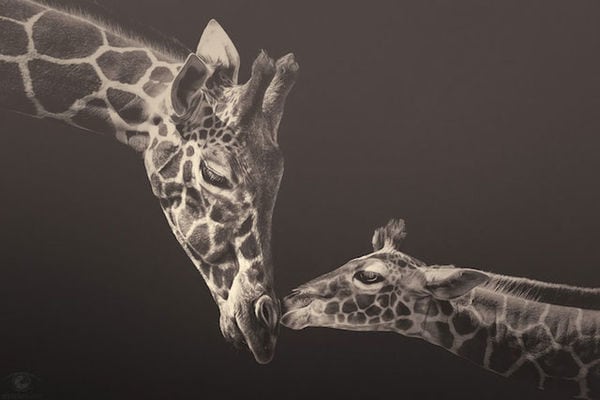
Photographer Stefano Unterthiner captured wild creatures from a face-to-face position and it appears to humanize the animals. From far away, a wild animal might seem mystifying or terrifying, but seeing them up close, we see a reflection of ourselves in them. This perspective makes us subconsciously humanize the creatures as we give them personality traits and emotions.
A fox with it’s head enlarged from the zoom appears to smile back at us in a friendly way. A big grizzly bear seems harmless as he meekly approaches the camera. A large monkey looks calmly back at us as if too shy to speak; his brown eyes comforting and warm.
These images of wild creatures close up are so captivating and inspiring, bringing us back to self-awareness and maybe even encouraging some to be more conscious of their ecological footprints.
Key Themes Behind This Trend
- Humanizing Wild Animals
- Exploring the trend of capturing wild creatures from up close, and how it subconsciously encourages us to humanize and empathize with them.
- Intimate Wildlife Photography
- The trend of photographers getting up close and personal with wild animals for captivating and inspiring images.
- Wildlife Conservation Awareness
- The trend of using intimate wildlife photography to create awareness around ecological footprints and the need for conservation efforts.
Where This Applies
- Photography
- Disruptive innovation opportunities in wildlife photography using cutting-edge technology to capture intimate and awe-inspiring images up close.
- Ecotourism
- Using intimate wildlife photography to appeal to conscious travelers who want to experience and support responsible ecotourism initiatives.
- Wildlife Conservation
- Using intimate wildlife photography to create awareness and support fundraising efforts for wildlife conservation initiatives.