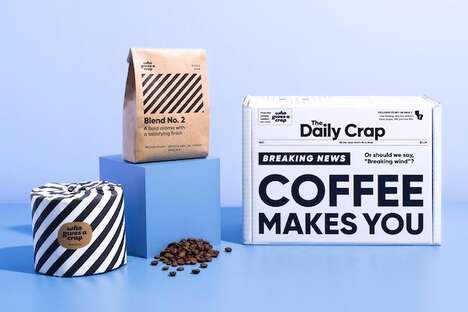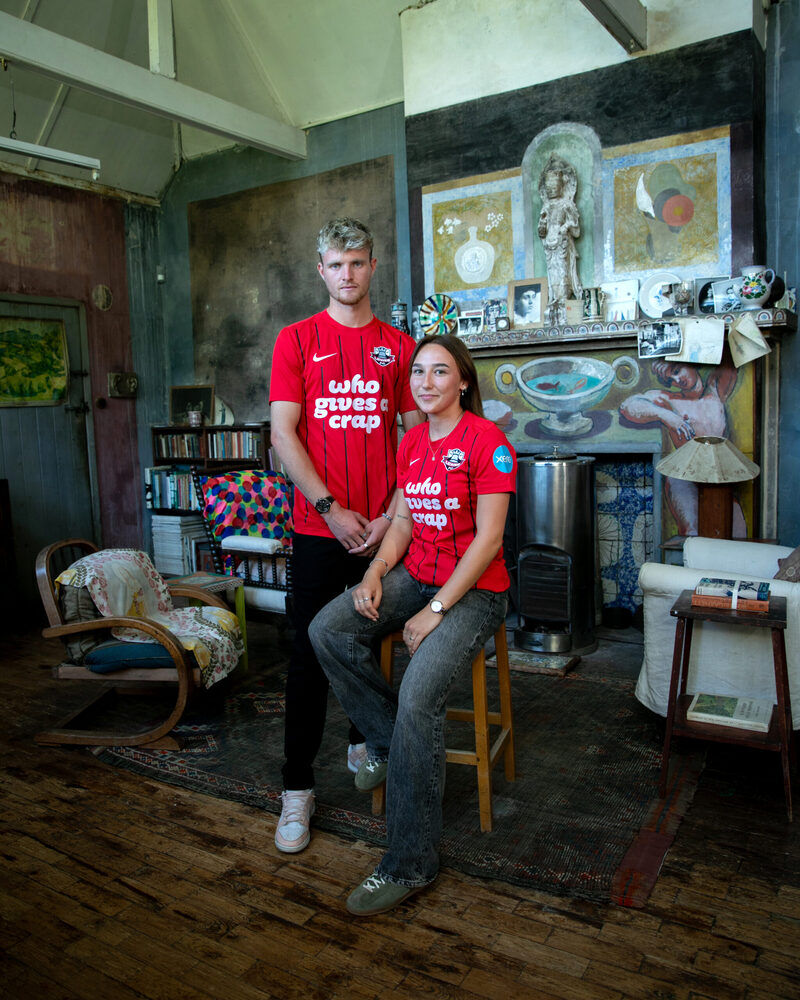
Lewes FC has entered a two-year partnership with eco-friendly toilet paper company, Who Gives A Crap. The brand is now the football club's front-of-shirt sponsor. This collaboration reflects both organizations' commitment to social impact and sustainability, with Who Gives A Crap dedicating 50% of its profits to providing access to clean water and sanitation worldwide. Over £7 million have already been raised.
The partnership aligns with the values of both Lewes FC and Who Gives A Crap, as both aim to promote change in their respective industries. The club's Commercial Manager sees this as a fitting match between two purpose-driven entities, and fans are likely to support this initiative due to its socially conscious mission. Who Gives A Crap emphasizes that the sponsorship focuses on generating donations for its charitable work, rather than just visibility.
Image Credit: Lewes FC x Who Gives A Crap
Key Themes Behind This Trend
- Sustainable Sponsorship Collaborations
- Brands and sports clubs are forming partnerships centered on sustainability and social impact initiatives, exemplifying a shift towards environmentally conscious business practices.
- Purpose-driven Marketing
- Companies like Who Gives A Crap leverage their sponsorships to highlight their social missions, blending marketing with philanthropy to attract ethically-minded consumers.
- Eco-friendly Product Endorsements
- Endorsements by sports teams are now extending to eco-friendly products, illustrating a growing consumer interest in sustainable living.
Where This Applies
- Sports Marketing
- Teams are increasingly seeking partnerships with brands that align with their values, particularly those with a focus on social and environmental responsibility.
- Eco-friendly Products
- The rise in partnerships between sports entities and eco-friendly brands indicates a broader consumer demand for sustainable product choices.
- Philanthropic Branding
- Brands that integrate social good into their core messaging are increasingly preferred, aligning profit with purpose to appeal to modern consumers.