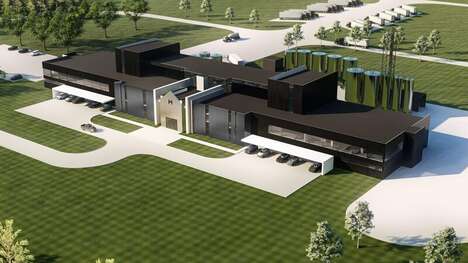
The design of a whiskey distillery in Kentucky's Bardstown is overseen by award-winning Japanese architect Shigeru Ban. Commissioned to contribute to a 420-acre brewing campus, the professional utilizes a signature design approach that taps into 19th-century steel structures.
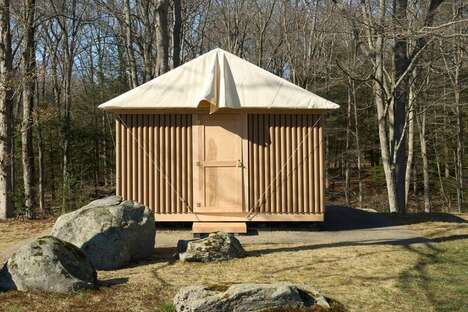
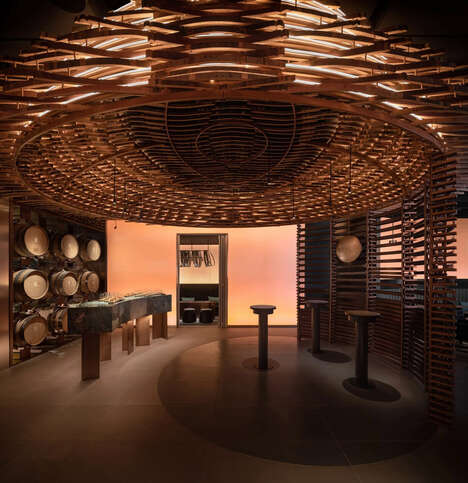
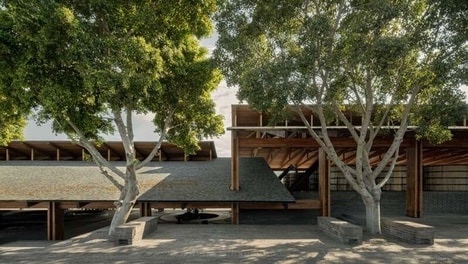
For the project, Shigeru Ban needed to produce three distinct plans, including spaces for aging the spirit, the whiskey distillery, and the bottling center. The architect undertakes a curious approach that produces a trio of pyramid-shaped structures that enjoy an intricate composition. Although the three volumes boast the same silhouette, their facades offer a point of difference. Following his "experiments with wood construction," Shigeru Ban's concepts create an effortlessly intimate connection with their lush surroundings. Using mass timber and a great attention to detail, the famous architect is able to foster a beautifully intricate aesthetic through sustainable design.
Photo Credits: Virginlemon
Why This Trend Is Growing
- Mass Timber Construction
- The use of mass timber in construction offers opportunities for sustainable and intricately designed buildings.
- Pyramid-shaped Structures
- The use of pyramid-shaped structures in architectural design creates visually striking and unique building compositions.
- Wooden Distilleries
- The trend of designing whiskey distilleries with wooden elements provides a connection to nature and a distinctive aesthetic.
Industries Being Reshaped
- Architecture and Construction
- Architects and construction companies can explore the use of mass timber and pyramid-shaped structures to create visually impactful and sustainable buildings.
- Whiskey and Spirits
- The whiskey industry can adopt the trend of designing distilleries with wooden elements to provide a unique and immersive experience for visitors.
- Sustainable Design
- Companies involved in sustainable design can embrace the trend of using mass timber and wooden elements in construction to create environmentally friendly and aesthetically pleasing structures.