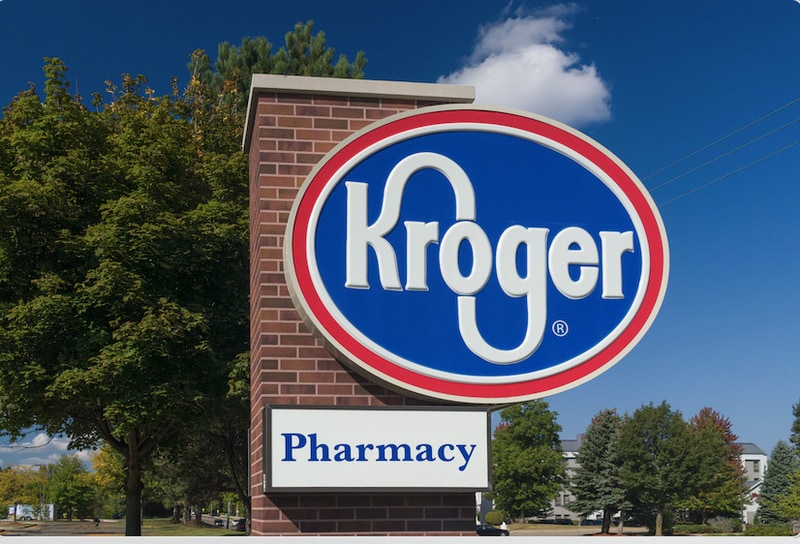
The Kroger Co. has announced the availability of the Zepbound® KwikPen at its network of retail pharmacies — a strategic move that significantly broadens patient access to this prominent weight-management medication.
The Zepbound® KwikPen is the newly launched, multi-dose injector pen from Eli Lilly. The innovation is designed for easier, less frequent administration compared to single-use vials. Its introduction at Kroger pharmacies is notable because it marks the first time that self-pay patients can access the medication alongside a manufacturer-sponsored savings program at a retail location. The pharmacy’s commitment to honoring these savings cards directly addresses one of the primary barriers for consumers seeking weight-management medications — the high out-of-pocket expense.
By integrating this new dispensing capability with their existing health services, Kroger aims to create a more comprehensive support system for individuals managing their weight.
Image Credit: Kroger Co.
Why This Trend Is Growing
- Retail Pharmacy Distribution Expansion
- Wider availability of prescription weight-management drugs at supermarket pharmacies creates new pathways for integrated point-of-care services and last-mile dispensing models.
- Multi-dose Injector Adoption
- The shift from single-use vials to multi-dose injector pens enables sustained adherence patterns and compact supply chains that reduce per-dose handling costs.
- Manufacturer-sponsored Affordability Programs
- Broader acceptance of savings cards at retail locations alters patient out-of-pocket dynamics and creates the potential for transparent price signaling and alternative financing arrangements.
Industries Being Reshaped
- Retail Pharmacy Chains
- Community and supermarket pharmacies stand to become primary access hubs for specialty therapeutics, transforming store footprints into hybrid clinical-commerce sites.
- Medical Device Manufacturers
- Producers of drug-delivery systems can capitalize on demand for reusable, user-friendly injectors that support adherence, dose-tracking, and supply optimization.
- Health Insurers and Pharmacy Benefit Managers
- Payers and PBMs may reconfigure coverage and contracting models around real-world adherence and outcomes data enabled by retail-based dispensing and manufacturer assistance.