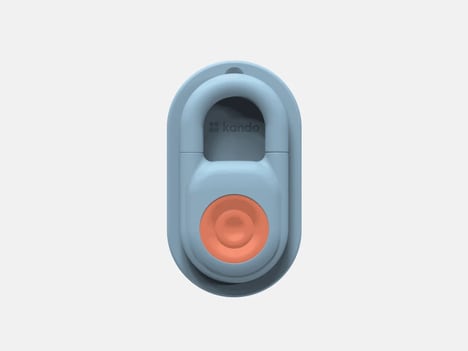
CareHawk is bringing Spotlight Alert to schools with a wearable panic badge that sends staff help from anywhere on campus. The badge pairs location sharing with two-way communication, all managed through the Spotlight dashboard, so teachers, administrators and other staff can call for support without leaving their spot.
The system extends the company’s CH2000IP communication platform and links badge activations to school safety workflows already in place. It can route alerts into mass notification, intercom and audio messaging, while also feeding live floor-plan mapping and response coordination.
Availability to schools starts in early 2027, giving districts a wearable layer on top of fixed-school communication gear. By folding mobile alerts into one control point, it turns campus response into something staff can carry with them instead of only triggering from walls or desks.
Image Credit: CareHawk
What Makes This Trend Stand Out
- Wearable Safety Alerts
- Portable panic devices shift emergency access from fixed infrastructure to staff-worn tools, creating opportunities for location-aware response systems that move with users across campuses.
- Unified Campus Response
- Integrated dashboards that combine badges, intercoms, mass notifications and mapping reveal new potential for centralized safety platforms that coordinate incidents in real time.
- Location-based Emergency Communication
- Live positioning paired with two-way messaging enables more precise intervention models, opening space for smarter dispatch, escalation and accountability during school emergencies.
Sectors Adopting This
- Education Technology
- School safety wearables expand the edtech market beyond learning tools into operational resilience systems embedded in everyday staff workflows.
- Security Systems
- Connected panic badges blur the line between access control, surveillance and emergency communications, giving security providers a path toward more adaptive campus protection solutions.
- Telecommunications
- IP-based alert routing and audio messaging highlight demand for communication networks that support urgent, mobile, location-rich interactions across institutional environments.