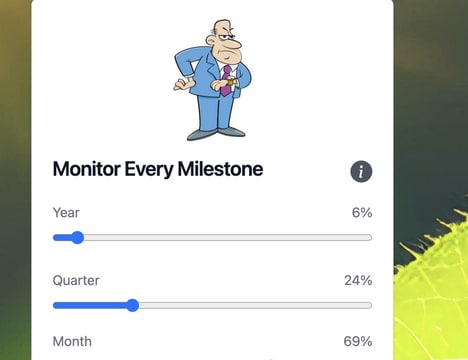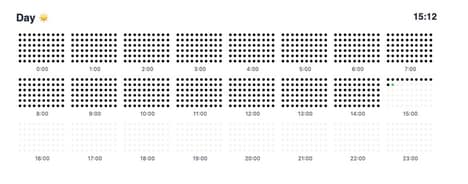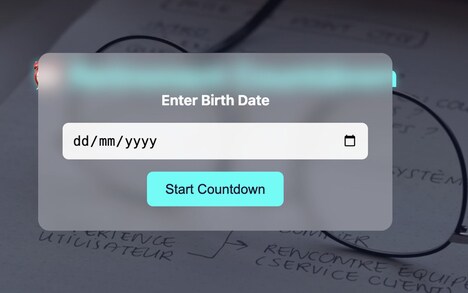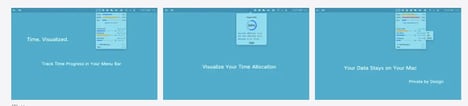

Wasted Time Calculator is a web-based tool designed to estimate the cumulative amount of time an individual may have spent on selected activities throughout their life. It typically functions as an input-based calculator where users provide frequency or duration data, which is then translated into an aggregated time estimate.
The tool is presented in a simplified and often informal format, intended to highlight time usage patterns in a visually impactful way. While it can be framed humorously, it also introduces a reflective element regarding personal time management and digital habits. For users, it may serve as a prompt for evaluating productivity or reconsidering daily routines. From a broader perspective, it aligns with digital tools that use data visualization to encourage self-awareness and behavioral reflection in everyday life.
Image Credit: Wasted Time Calculator
What Makes This Trend Stand Out
- Personal Time Accounting
- A shift toward quantifying life activities creates opportunities for tools that convert daily behaviors into cumulative time-based metrics that reframe value perception.
- Reflective Data Visualization
- Visual summaries of personal habits are enabling designs that make abstract time use tangible and emotionally salient for long-term behavior insight.
- Habit Transparency Platforms
- Platforms that aggregate and expose micro-habits across devices are creating new possibilities for cross-context awareness of time leakage.
Sectors Adopting This
- Productivity Software
- Increasing demand for lifetime-oriented metrics presents potential for suites that integrate time-aggregation features to redefine user goal-setting and prioritization.
- Digital Wellbeing Services
- A rise in reflective tools points to service models that contextualize time-spend data within mental health and lifestyle coaching frameworks.
- Workforce Analytics
- Employers and HR tech can leverage cumulative time estimates to uncover systemic inefficiencies and rethink scheduling, training, and role design.