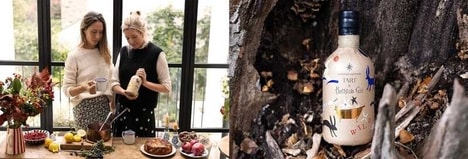
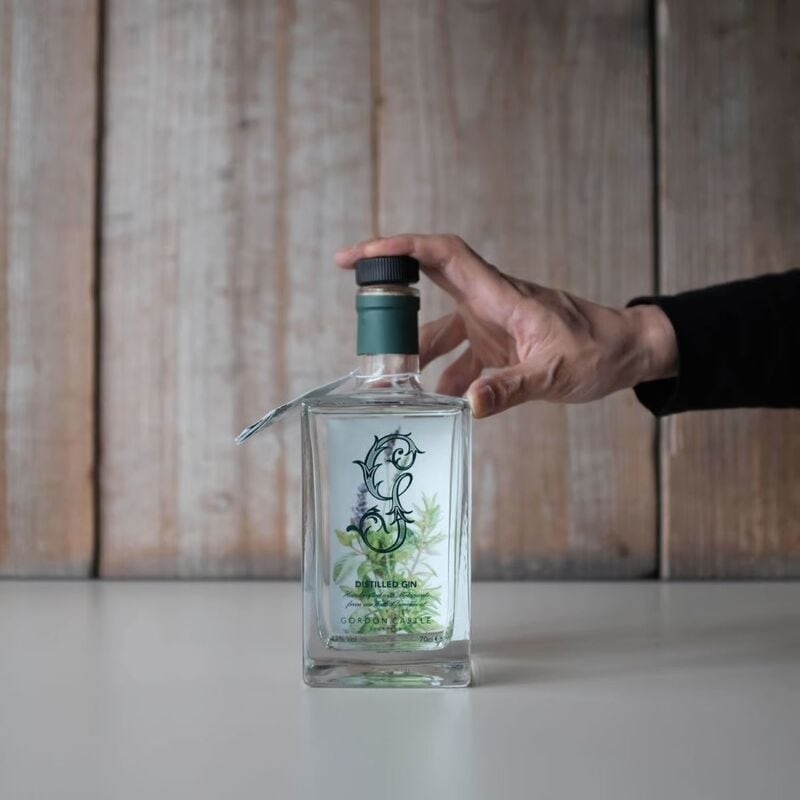
Walled Garden Gin has recently launched in the United States, introducing a premium Scottish gin rooted in estate heritage and contemporary stewardship. The gin is produced at Gordon Castle Estate in Scotland, a historic property that has been maintained by the Gordon-Lennox family for generations. Distinctively, the brand is shaped under the direction of Zara Gordon-Lennox, Chatelaine of Gordon Castle Estate and executive gardener of the estate’s eight-acre walled garden.
Zara Gordon-Lennox plays a central role in the gin’s botanical selection, flavor profile, and creative vision, drawing directly from the estate’s gardens and landscape. Her approach is informed by both hands-on land management and historical inspiration, including the legacy of Lady Caroline Gordon-Lennox, a 19th-century figure associated with cultural independence and nonconformity. The resulting gin integrates traditional Scottish distilling practices with a modern narrative of authorship and place. Positioned as an estate-led spirit, Walled Garden Gin reflects an intersection of heritage, craftsmanship, and contemporary identity within the premium gin category.
Image Credit: Walled Garden Gin
What's Driving This Trend
- Estate-led Spirits
- A growing trend sees spirits being crafted directly from estate-managed resources, anchoring the product in authenticity and regional identity.
- Heritage-driven Products
- Products that celebrate a rich historical narrative appeal to consumers seeking stories of tradition and legacy, particularly in the premium beverage sector.
- Botanical Curation
- The meticulous selection of botanicals inspired by historical gardens provides unique flavor profiles and stories, distinguishing offerings in a crowded market.
Who This Affects Most
- Craft Spirits
- The craft spirits industry leverages small-batch production and local sourcing to create premium products with distinct regional characteristics.
- Heritage Tourism
- Heritage tourism capitalizes on consumers' interest in historical narratives and cultural experiences, integrating them with local product offerings like region-specific spirits.
- Botanical Ingredients
- As consumer demand for unique flavors grows, the botanical ingredients industry finds new opportunities in collaborating with beverage producers for specialized and exclusive products.