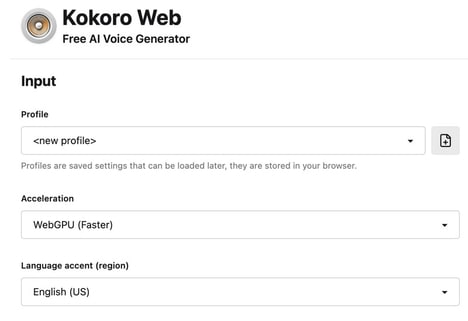

VoiceChat2 is an open-source voice chat infrastructure designed to deliver low-latency voice communication comparable to GPT-4o’s capabilities. Leveraging WebSockets for seamless connectivity, it achieves voice-to-voice latency as low as 300 milliseconds, even without relying on a unified voice codec.
This advanced system operates efficiently on a single high-end consumer GPU, making it an accessible solution for developers and organizations seeking high-performance voice interaction capabilities. VoiceChat2’s flexibility and open-source nature allow for customization and integration into a wide range of applications, from gaming to customer service platforms. By eliminating the need for proprietary codecs, it reduces complexity while maintaining competitive performance. With its focus on speed and efficiency, VoiceChat2 provides a cost-effective and innovative approach to real-time voice communication.
Image Credit: VoiceChat2
Key Themes Behind This Trend
- Open-source Voice Communication
- The potential for customization and integration into various applications is maximized with open-source voice communication systems like VoiceChat2, fostering a collaborative environment for innovation.
- Low-latency Voice Infrastructure
- Achieving voice-to-voice latency as low as 300 milliseconds presents disruptive opportunities for industries requiring swift communication, enhancing user experiences across diverse platforms.
- Websocket-based Connectivity
- Leveraging WebSockets for seamless and efficient connectivity opens new horizons for creating scalable and reliable real-time communication systems without relying on proprietary tech.
Where This Applies
- Gaming Industry
- The integration of real-time, low-latency voice chat options into gaming systems promises to revolutionize player interactions and enhance multiplayer gaming environments.
- Customer Service Platforms
- Real-time voice communication technologies introduce significant opportunities to transform and streamline customer service experiences, making support more immediate and responsive.
- Telecommunications
- The telecom industry stands to benefit from efficient, cost-effective voice communication solutions that bypass traditional codec reliance, offering improved services and reduced operational costs.