Smart home security solutions are continuing to gain popularity among consumers but are leaving many with privacy concerns, which is something the VISIO Wi-Fi camera concept is sensitive to.
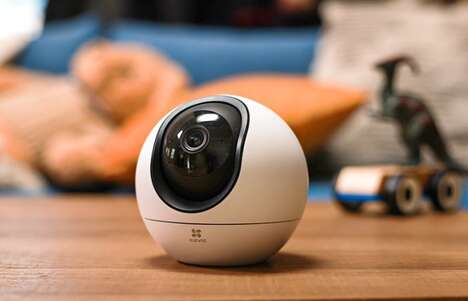
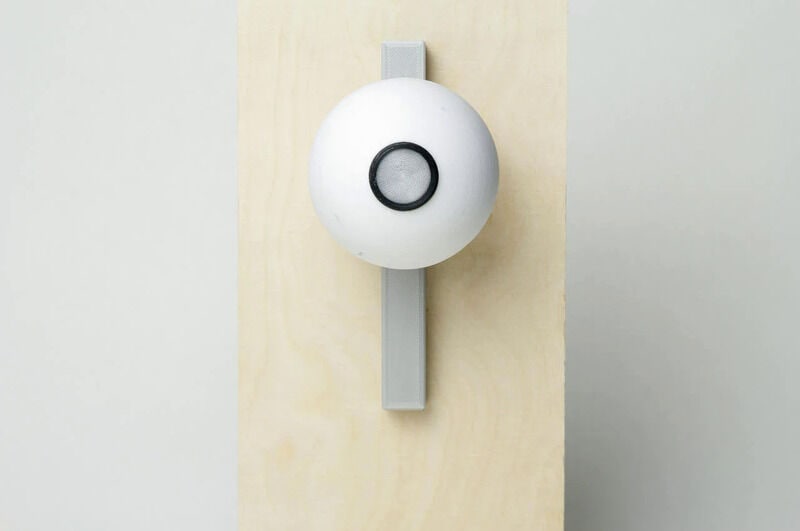
Designed by Maurice Mischo, the camera features an almost eyeball-like design that could be easily mounted onto a wall or positioned on a dock on a flat surface. The camera would need to be attached to a power-providing base to be used, which would mean that users could simply remove it to stop the recording.
The VISIO Wi-Fi camera concept takes a more forward approach to privacy when compared to existing solutions on the market. This speaks to growing weariness regarding in-home privacy amongst consumers and a need for more direct approaches to keep them in control of recording.
Key Themes Behind This Trend
- Privacy-focused Security Solutions
- Opportunities for disruptive innovation may arise in the development of security solutions that prioritize user privacy in the smart home market.
- Direct Privacy Control
- Smart home security products are trending towards being more user-centric and giving users more direct control over their privacy settings.
- Sensory Design
- As privacy concerns continue to be top-of-mind for consumers, there may be an opportunity for disruptively-designed smart home security solutions with a sensory approach.
Where This Applies
- Smart Home Security
- The rise of privacy concerns among consumers has opened up disruptive innovation opportunities in the smart home security industry for products that prioritize user control and privacy.
- Artificial Intelligence
- There may be an opportunity to incorporate artificial intelligence into smart home security cameras to create more privacy-focused solutions that learn from user behavior and adapt accordingly.
- Consumer Electronics
- As the smart home market continues to grow, there is an opportunity for consumer electronics companies to create privacy-focused security solutions that can be easily installed and controlled by the end-user.