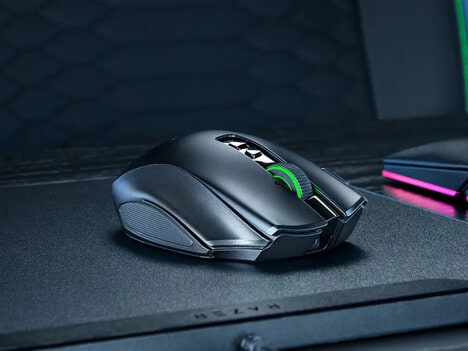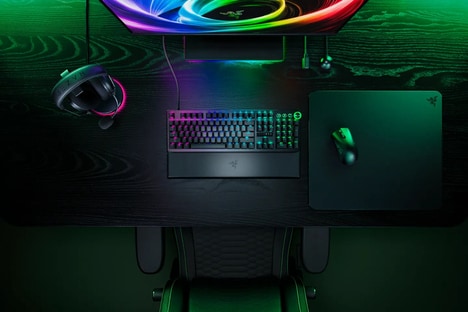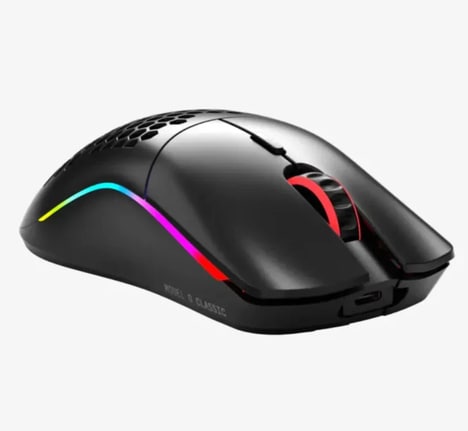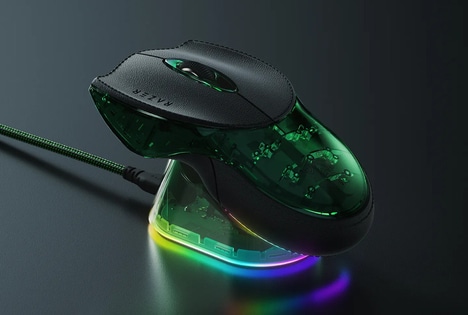

Razer introduced the Viper V4 Pro Esports Green Edition, a color-focused variant of its flagship wireless gaming mouse featuring the brand’s Pantone 802C finish. The model is available through Razer.com and select RazerStores and retains the Viper V4 Pro’s core hardware, including a 52g design and HyperSpeed Wireless Gen-2 connectivity.
The mouse includes the Focus Pro 50K Optical Sensor Gen-3 with up to 50,000 DPI, Gen-4 optical switches rated for more than 100 million clicks and an optical scroll wheel designed for precision and durability. It supports up to 8,000Hz polling and offers up to 180 hours of battery life at 1,000Hz. Razer also uses material calibration to maintain the green finish across different lighting conditions.
For competitive players and collectors, the release pairs established esports-focused performance with a distinctive aesthetic, expanding Razer’s broader Esports Green Collection without changing the underlying hardware.
Image Credit: Razer
What Makes This Trend Stand Out
- Color-led Performance Drops
- Limited-edition colorways are turning established gaming hardware into collectible launches that extend product lifecycles without requiring major engineering changes.
- Esports Collector Gear
- Competitive-grade peripherals with distinctive aesthetics are creating premium demand among players who value both tournament performance and display-worthy design.
- Sensor-driven Peripheral Arms Race
- Ultra-high DPI sensors, faster polling rates and longer battery life are reinforcing gaming mice as precision platforms where incremental technical gains influence brand differentiation.
Sectors Adopting This
- Gaming Peripherals
- The category is being reshaped by hardware makers blending elite specifications with fashion-inspired finishes to capture both competitive gamers and lifestyle buyers.
- Esports Retail
- Exclusive online and flagship-store availability gives brands new ways to create scarcity, community attention and higher-margin accessory sales around familiar products.
- Consumer Electronics Design
- Material calibration and color consistency across lighting conditions are emerging as design priorities that can elevate visual identity into a functional product attribute.