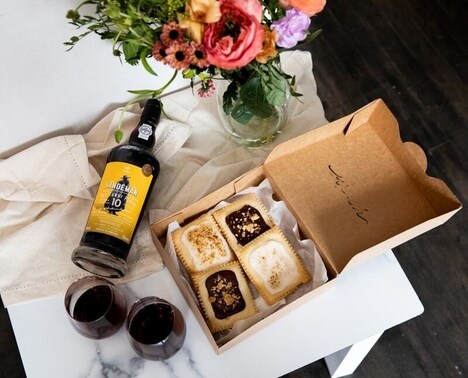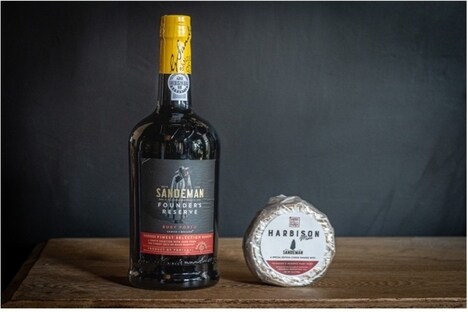
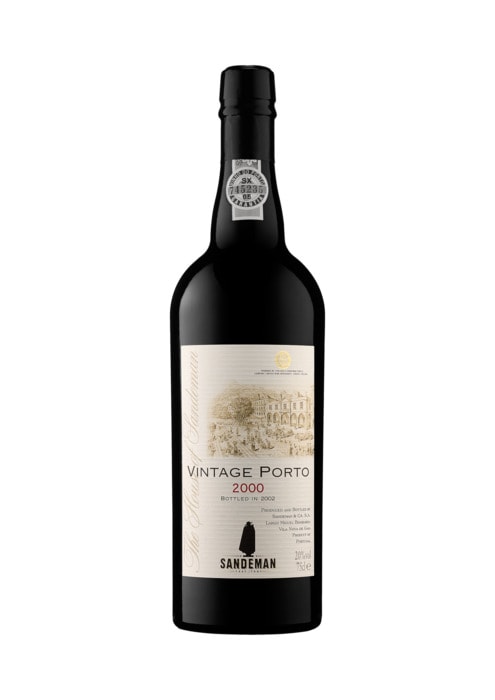
Sandeman Porto has introduced a limited quantity of a fortified wine from its reserves — the Sandeman 2000 Vintage Port. As the name might already hint, this expression originates from grapes harvested a quarter-century ago.
The production of the Sandeman 2000 Vintage Port is characterized as the result of a year with favorable climatic conditions. The dry winter and the mild summer led to a harvest deemed of sufficient quality to be designated as a vintage year. The limited-edition wine has undergone an extensive aging process within the bottle, which has contributed to its current flavor and aromatic profile. The vintage port possesses alluring notes of spice, cedar, tobacco, and ripe fruit, supported by a structure of noticeable acidity and refined tannins.
Sandeman Porto's head winemaker has publicly endorsed the product as an exemplar of patience and skilled blending.
Image Credit: Sandeman Porto
Why This Trend Is Growing
- Limited-edition Premium Wines
- Crafting exclusive, small-batch wines appeals to collectors and enthusiasts, fostering a market for premium, aged alcoholic beverages.
- Vineyard-specific Vintage Releases
- Highlighting climate conditions and harvest years for wines provides a unique selling proposition, emphasizing the terroir and history of exceptional growing periods.
- Aged Fortified Wine Collections
- The process of aging fortified wines offers opportunities to explore new flavor profiles, attracting connoisseurs seeking distinctive tasting experiences.
Industries Being Reshaped
- Luxury Beverage Industry
- The production of high-end, specialized wines presents opportunities for brands to engage affluent consumers seeking exclusive and refined drinking experiences.
- Sustainable Winemaking Industry
- Emphasizing the influence of climate on vintage quality encourages sustainable practices and adaptation to changing environmental conditions.
- Craft Alcohol Industry
- Artisanal craft producers can explore refined aging processes to differentiate their products and cater to emerging niche markets within the alcoholic beverage sector.