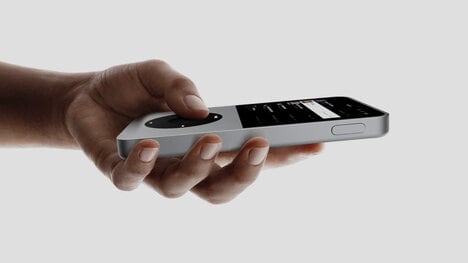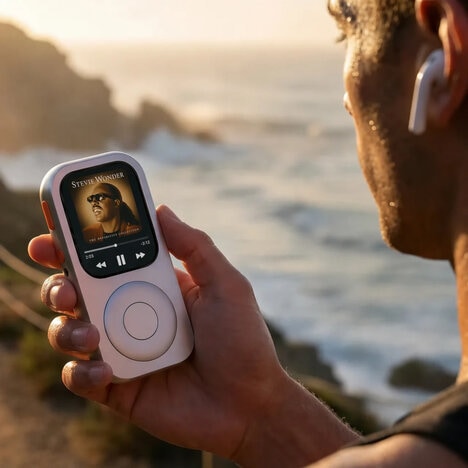
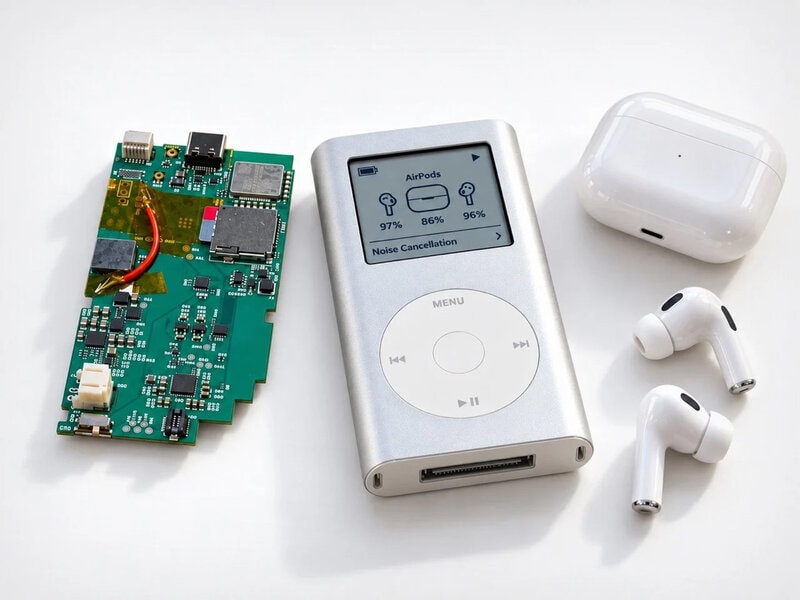
Certain Things created Sprout as a drop-in board for owners of older iPod 3rd-generation, 4th-generation and mini players, adding Bluetooth so they can use AirPods and keep noise cancellation without changing the original body or click wheel. It also brings USB-C charging and a microSD slot to hardware built around offline music libraries.
Storage reaches 2TB, or about 500,000 songs, and wired listening still uses the headphone jack through a dedicated digital-to-analog converter. The board is shaped to replace Apple's original part without soldering, and local files move over USB-C without relying on iTunes.
A Crowd Supply campaign is listed as launching soon, which keeps Sprout in the DIY upgrade lane rather than the mass-device market. The no-solder swap widens that lane to collectors and listeners who keep local music libraries but want wireless playback and Apple's original industrial design.
Image Credit: Yanko Design, Certain Things
What's Driving This Trend
- Retrofit Consumer Electronics
- Drop-in upgrade boards preserve beloved device designs while inserting modern connectivity, storage, and charging features into aging hardware.
- Offline Music Revival
- Growing interest in local media libraries creates space for products that combine high-capacity storage with contemporary playback expectations.
- No-solder Modding
- Tool-light hardware customization expands enthusiast markets by making technical upgrades more accessible to collectors and everyday users.
Who This Affects Most
- Consumer Electronics
- Legacy device ecosystems gain new commercial relevance when modular components extend product lifespans without requiring full replacement.
- Audio Technology
- Hybrid listening products blend wired fidelity, wireless convenience, and noise-canceling compatibility for users who value both nostalgia and performance.
- Circular Economy
- Repairable and upgradable electronics reduce waste while creating specialized markets around preservation, personalization, and long-term ownership.