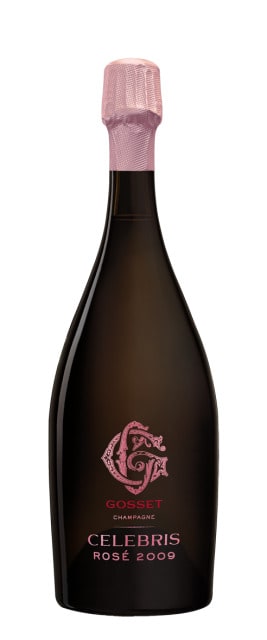
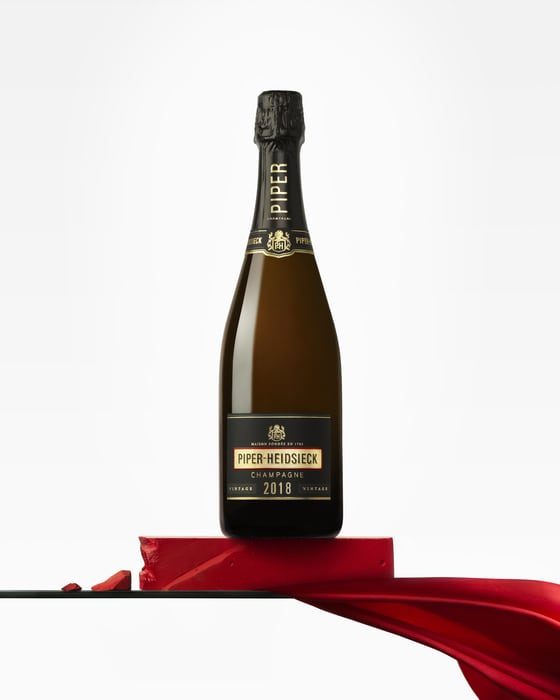
Piper-Heidsieck has unveiled its Vintage 2018 Champagne — a brut blend of 50% Chardonnay, 47% Pinot Noir, and three percent Meunier. This "finely tuned balance" is made possible through the brand's sourcing techniques, primarily from Grands and Premiers Crus vineyards. The expression marks chief winemaker Émilien Boutillat's debut vintage for the house.
The Vintage 2018 Champagne was aged on lees for over 50 months and finished with a dosage of only seven grams per litre. This means the wine will taste drier and more food-friendly than many non-vintage brut Champagnes. The expression offers aromas of nectarine, red berries, mocha, and fresh almond with a smoky accent, while the palate delivers raspberry, pineapple, and paprika leading to a long, refined finish. The aging potential of this vintage exceeds 15 years.
Image Credit: Piper-Heidsieck
What's Driving This Trend
- Vintage-driven Luxury Positioning
- A heightened focus on single-vintage releases elevates provenance and storytelling as primary value drivers for premium wine consumers.
- Extended-lees Aging Revival
- Growing interest in extended lees aging highlights textural complexity and cellar-age narratives that differentiate high-end sparkling wines.
- Low-dosage Food-friendly Champagnes
- A shift toward lower dosage levels emphasizes dry, versatile profiles that align premium Champagne with gastronomy-focused consumption occasions.
Who This Affects Most
- Luxury Wine Retail
- Curated retail assortments and provenance-focused merchandising are reshaping premium shelf strategies and premiumization pathways.
- Fine Dining and Hospitality
- Sommelier-driven beverage programs are increasingly privileging ageworthy, low-dosage Champagnes that complement modern tasting menus.
- Wine Investment and Collectibles
- Extended aging potential and house debut vintages are driving collector interest and secondary-market valuation models for rare Champagne releases.