Video is heralded as the future of advertising because it captures attention through motion, emotion, and storytelling in ways static content simply can't match, and Vidcard is on a mission to change how connections are made by replacing conventional paper business cards with a five-inch LCD screen.
Vidcard was inspired by a moment in a video game when a character is invited to join a corporation, with the dynamic business card itself serving as a glimpse into the future. Ultimately, Vidcard has two goals: to connect new contacts and make a memorable impression. The world's first video business card does this by immediately capturing attention, starting a conversation, supporting simple exchanges with NFC-enabled one-tap sharing, and providing lead tracking tools for effective, data-fueled follow-ups.
Key Themes Behind This Trend
- Video-first Networking
- Professionals increasingly favor short, personalized video content as the primary method for making first impressions and conveying brand personality.
- Physical-digital Hybrid Cards
- A new class of hardware combines tactile business cards with embedded displays and sensors to bridge offline encounters with dynamic digital content.
- NFC and Data-driven Followups
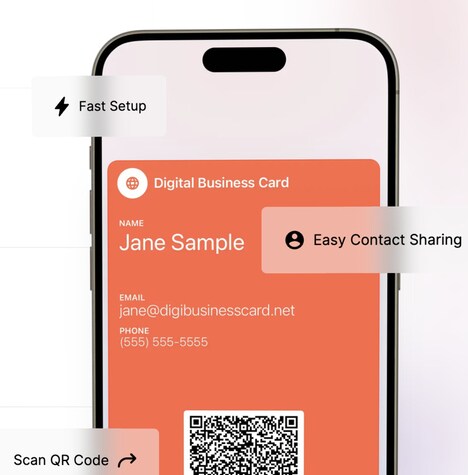
- Contact exchanges are being augmented with one-tap NFC sharing and analytics that map engagement and inform sales pipelines.
Where This Applies
- Marketing and Advertising
- Creative teams can leverage moving visuals on portable devices to craft immersive brand stories that stand out in crowded networking environments.
- Event and Trade Show Services
- Exhibitors and organizers face opportunities to enhance attendee interactions through interactive cards that capture leads and measure booth engagement in real time.
- Corporate Sales and Business Development
- Sales professionals are likely to adopt multimedia contact tools that integrate with CRM systems to track prospect responses and prioritize follow-ups.