

Vans and Opening Ceremony have partnered for an exciting collaborative capsule collection that's set to launch globally. The two brands combined make for a stylish yet accessible high-end aesthetic, appealing to a wide demographic of fashion lovers.
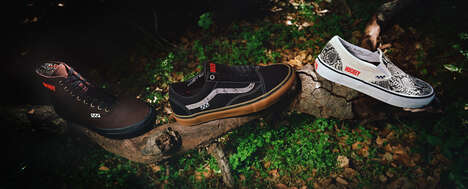
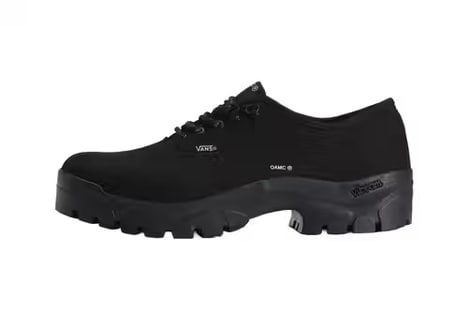
According to the brands, this collection will feature a range of footwear, clothing and accessories, offering something to suit nearly any consumer. Some of the standouts from the line include a shoe that features a twist on the classic Vans' pattern. It offers a little more texture and graphics than what's typically seen. “Vans has been a long-time creative partner of ours, and we’re so excited to collaborate on its iconic print this season,” said Opening Ceremony Creative Director Humberto Leon.
Image Credit: Vans
What Makes This Trend Stand Out
- Collaborative Capsule Collections
- The trend of brand partnerships in fashion continues to grow as consumers seek unique, high-quality products that combine the strengths of two or more brands.
- Accessible High-end Aesthetic
- There is a demand for styles that have high-end appeal without high-end prices, indicating a potential opportunity for disruptive innovations in the luxury and fast fashion industries.
- Texture and Graphics on Classic Designs
- Consumers are drawn to fresh takes on familiar clothing and footwear designs, presenting opportunities for brands to experiment with unique patterns, textures, and graphics on traditional silhouettes.
Sectors Adopting This
- Fashion
- Collaborative capsule collections and accessible high-end aesthetics offer opportunities for disruption in the fashion industry, catering to consumer demand for originality and affordability.
- Footwear
- The use of texture and graphics on classic designs presents an opportunity for footwear companies to create new products that offer a unique twist on familiar silhouettes.
- Accessories
- Collaborative capsule collections that feature a range of accessories can be a way for brands to break into new markets and appeal to a wider demographic of consumers.