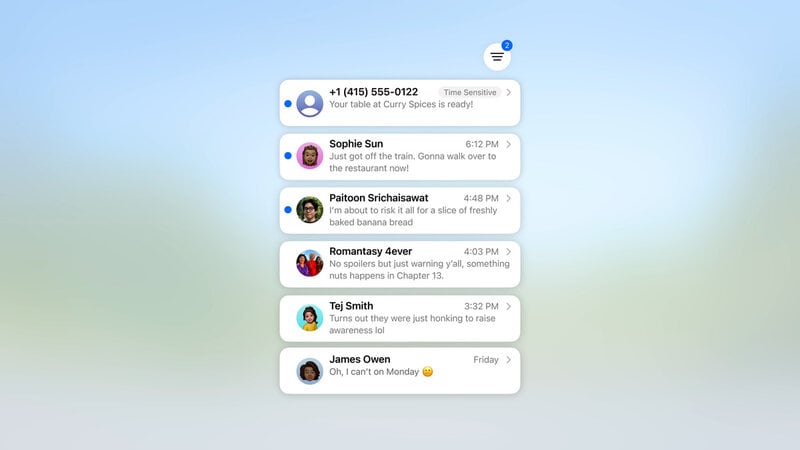
Unknown message screening is giving smartphone users greater control over who can enter their primary conversations. With iOS 26, Apple Messages automatically places texts from unknown senders into a dedicated folder rather than displaying them alongside established conversations. These messages remain silenced until the recipient chooses to accept them, while additional controls allow users to mark a sender as known, request more information or delete the message. The system creates an approval layer between unfamiliar contacts and a user’s active inbox.
For Apple, introducing sender screening strengthens Messages as a privacy-focused communication platform while addressing unwanted texts without blocking potentially legitimate contacts entirely. The added control could improve user trust and reduce interruptions from spam or unsolicited outreach. More broadly, permission-based messaging may encourage communication platforms to give recipients greater authority over initial contact, potentially changing how businesses approach text-based customer engagement and outreach.
Image Credit: Apple
What Makes This Trend Stand Out
- Permission-based Messaging
- Consumer communication is shifting toward inbox models where recipients decide which unknown contacts gain access to primary conversations, creating space for trust-centered engagement systems.
- Silent Sender Screening
- Automated separation of unfamiliar messages reduces interruption while preserving visibility for potentially legitimate outreach, signaling demand for smarter communication filters.
- Privacy-first Inboxes
- Messaging platforms are becoming personal control hubs that prioritize consent, relevance and sender legitimacy as core features of everyday digital communication.
Sectors Adopting This
- Mobile Communications
- Smartphone messaging services can differentiate through consent-driven contact management that balances spam protection with seamless legitimate communication.
- Customer Engagement
- Brands relying on SMS outreach face a new environment where credibility, recognition and contextual value shape whether first-contact messages are accepted.
- Cybersecurity
- Identity verification and anti-spam technologies gain importance as messaging ecosystems introduce approval layers to protect users from unsolicited or risky contacts.