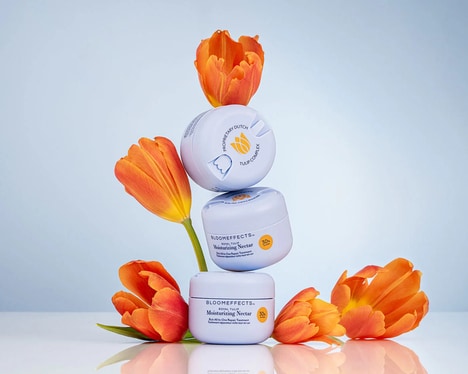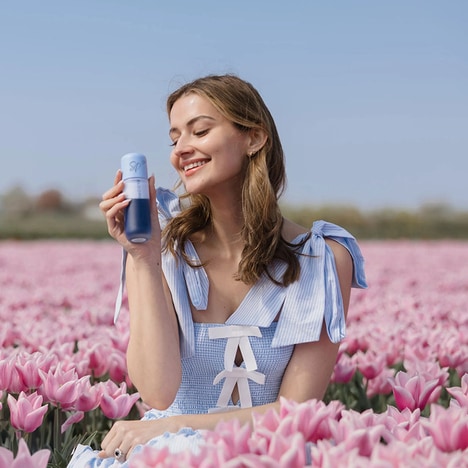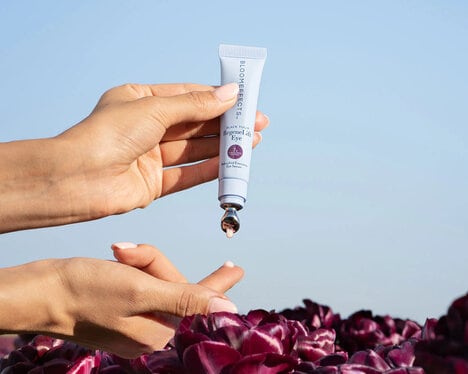
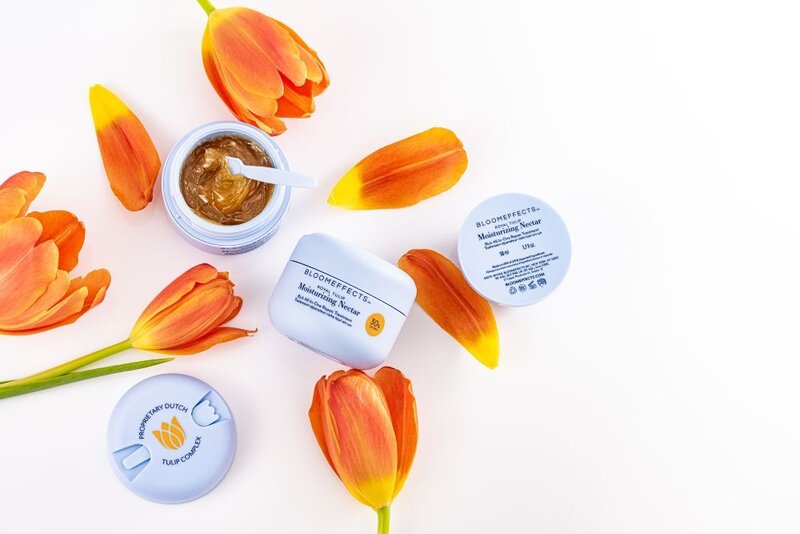
Bloomeffects is transforming discarded tulip bulbs from its founder’s family farm in the Netherlands into ingredients for premium skincare. Its proprietary Dutch Tulip Complex, developed following research into compounds found in tulips, is incorporated throughout the brand’s face and body products. The approach combines upcycled agricultural materials with a field-to-formula production story. Its Ulta Beauty expansion also introduces the exclusive Royal Tulip Elevate Crème, formulated with tripeptide, prebiotics, ceramides, and vegan mucin.
The model gives Bloomeffects a distinctive ingredient story while connecting product performance with sustainability and Dutch agricultural heritage. Launching in 750 Ulta Beauty stores significantly increases the brand’s physical retail exposure and introduces its products to a broader U.S. audience. An assortment spanning cleansers, serums, moisturizers, and SPF also creates opportunities for routine-based purchases, while the Ulta-exclusive cream provides an additional incentive for discovery.
Image Credit: Bloomeffects
What Makes This Trend Stand Out
- Upcycled Beauty Ingredients
- Agricultural byproducts are gaining value as premium cosmetic actives, creating room for differentiated formulations that merge sustainability credentials with performance-driven skincare narratives.
- Farm-to-formula Storytelling
- Ingredient provenance rooted in specific farms or regions adds authenticity to beauty brands, opening space for traceable product stories that connect consumers to origin, craft, and efficacy.
- Retail-exclusive Skincare Launches
- Exclusive product drops through major beauty retailers can amplify discovery and loyalty, giving emerging brands a scalable path to visibility beyond direct-to-consumer channels.
Sectors Adopting This
- Skincare
- Bioactive plant compounds and multifunctional formulations are reshaping product development, with opportunities emerging around natural ingredients that support both efficacy claims and sustainable sourcing.
- Agriculture
- Discarded crops and floral waste streams are becoming inputs for higher-value consumer goods, positioning growers to participate in circular supply chains beyond traditional food or ornamental markets.
- Beauty Retail
- Large-format beauty stores are serving as launch platforms for niche sustainable brands, expanding the role of retail partnerships in consumer education, sampling, and routine-building.