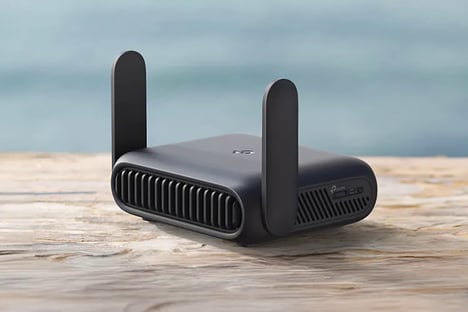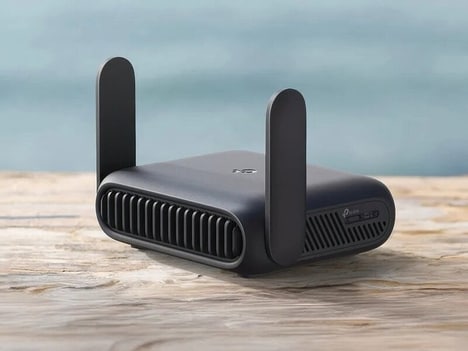

The TP-Link Archer 8 has been formally announced by the brand as an upcoming piece of hardware for home networking that will offer consumers access to the upcoming WiFi 8 standard. The router is engineered to deliver up to 33% better reliability for fast, stable connectivity speeds within the home and will also offer a 30% improvement for single-device connections when compared to WiFi 7. The unit will also offer around 10% to 20% improvement for multi-device scenarios, while also tackling issues related to latency.
The TP-Link Archer 8 router is slated to release into the consumer market in October 2026 with the final WiFi 8 standard expected to be finalized in March 2028. The brand will thus continue pushing a wider range of hardware going forward that's centered on WiFi 8 to keep users on the cutting edge of connectivity.
Image Credit: TP-Link
Why This Trend Is Growing
- Consumer Wifi 8 Adoption
- As households upgrade to WiFi 8, device expectations are shifting toward routers that bundle higher reliability and future-proof standards into mainstream consumer price points, opening space for value-driven hardware consolidation.
- Latency-optimized Home Networking
- Lower latency promises are driving interest in router architectures and firmware that prioritize deterministic traffic handling for real-time applications, prompting rethinking of QoS and edge processing within home devices.
- Multi-device Throughput Optimization
- With modest yet meaningful multi-device gains from WiFi 8, product differentiation is likely to emerge around techniques for dynamic bandwidth allocation and spectrum efficiency to serve dense device environments.
Industries Being Reshaped
- Home Networking Hardware
- Router and chipset manufacturers face pressure to integrate advanced radios and AI-driven traffic management into compact consumer units, driving a wave of hardware-software co‑design innovations.
- Smart Home Ecosystems
- Connected device platforms may begin to demand guaranteed performance tiers from local networks, influencing gateway designs and interoperability models across appliances and sensors.
- Online Gaming and Streaming Services
- Service providers could start to leverage improved in-home reliability and lower latency as a differentiator, altering content delivery and session persistence strategies for immersive experiences.