At this year's Toronto Design Offsite Festival, OCAD University will host the 'Designing for Health, Wellness, Action and Destigmatization' exhibit.
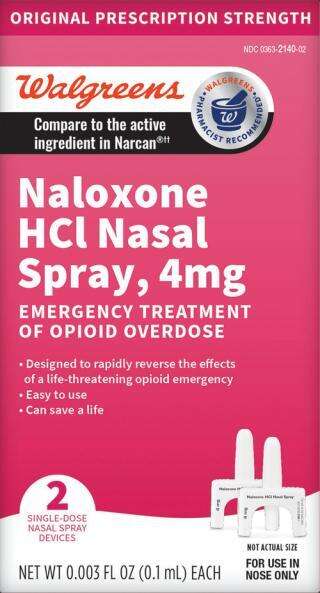
The exhibit will include information how to set up pop-up supervised injection sites, as well as further information regarding the use of Naloxone and the importance of increasing its visibility. As Naloxone is often used as an emergency first aid measure to block the effects of opioids and prevent overdoses, it's vital to make the kits accessible to those in need of them so that fewer unnecessary deaths occur.
By exploring different options that were created by undergrad students from the Industrial Design for Health and Wellness department, the exhibit considers the ways that these measures can be destigmatized and given more awareness.
What's Driving This Trend
- Destigmatizing Health Interventions
- Opportunities exist to design and promote health interventions in a way that reduces stigma and increases accessibility, such as creating pop-up supervised injection sites.
- Increasing Visibility of Naloxone
- There is a need to raise awareness and visibility of Naloxone as an emergency first aid measure for opioid overdoses, leading to opportunities for innovative approaches to packaging, education, and distribution.
- Inclusive Design for Health and Wellness
- The exhibit highlights the importance of inclusive design in the health and wellness industry, encouraging the development of solutions that address diverse needs and promote accessibility.
Who This Affects Most
- Healthcare
- The healthcare industry can benefit from disruptive innovation in making health interventions more accessible, destigmatized, and inclusive.
- Pharmaceutical
- Innovative approaches are needed in the pharmaceutical industry to increase the visibility and distribution of Naloxone as an emergency first aid measure for opioid overdoses.
- Design
- The design industry has opportunities to create innovative solutions that effectively communicate information, promote awareness, and reduce stigma associated with health interventions.