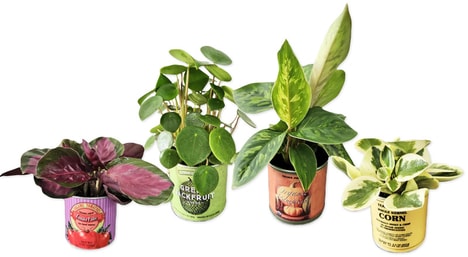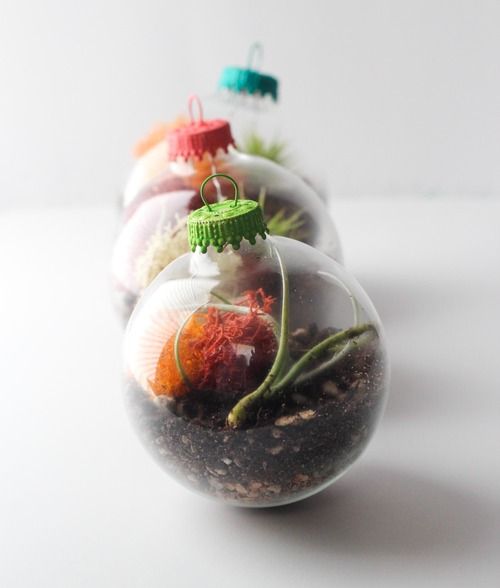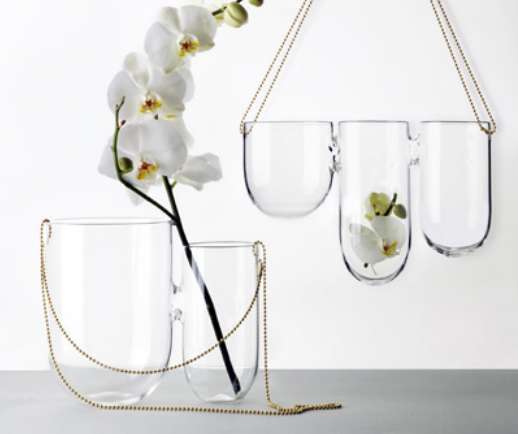

Pinky Tree is a tiny plant that lives in a 2” incubator capsule. It can be used as a key chain, a handbag or mobile phone charm, or as desktop decor.
The little plant will grow inside the capsule for 6 to 12 months. Once it outgrows the confines, you can move it to a real pot. It’s an easy process: Take the lid off the capsule and put the plant into a new pot filled with potting soil.
Pinky Tree helps the environment. For every four plants that are sold, a tree is planted in the US territory in partnership with American Forest.
What Makes This Trend Stand Out
- Micro-planting
- The rise of tiny plants encapsulated in easy-to-maintain containers that promote upcycling and boosts greenery in urban areas.
- Personalized Nature
- The growing popularity of attaching plant charms or wearing greenery accessories for environmental protection and aesthetic purposes.
- Charitable Eco-innovation
- The emergence of consumer products that align with social responsibility efforts through planting initiatives or carbon-neutral pledges.
Sectors Adopting This
- Fashion and Accessories
- Small plants in keychains and phone charms allow businesses to incorporate eco-friendly elements in fashion, paving the way for smart and sustainable accessories.
- Home and Office Decor
- Capsulized plants' practicality and aesthetic appeal fuels their growing popularity among home and office decorators, offering the chance to create unique and functional design pieces.
- Environmental Conservation
- Pinky Tree's business model lends itself to various conservation efforts, encouraging reforestation and helping businesses reduce carbon footprints.