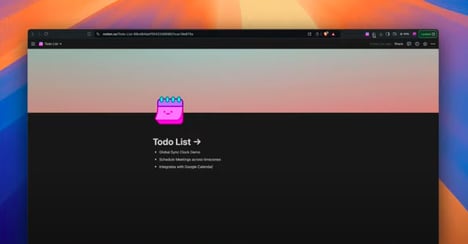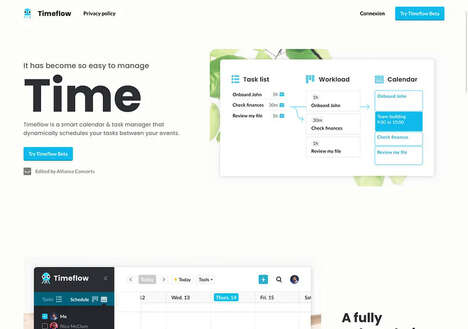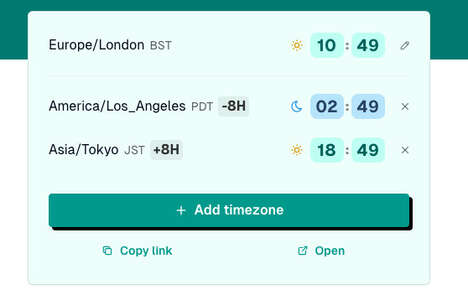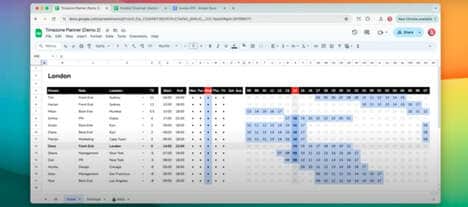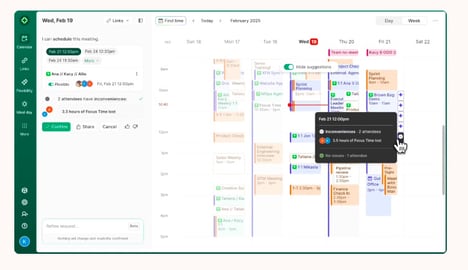

TimeTabled is a scheduling coordination tool designed to streamline the process of finding mutually available meeting times. The platform helps individuals and teams avoid the back-and-forth typically involved in scheduling by automatically identifying overlapping availability across multiple calendars.
Particularly useful for remote or hybrid teams, TimeTabled reduces administrative overhead, enhances meeting efficiency, and improves time management. It integrates with major calendar providers, making it easy to sync schedules and visualize availability in real time. For business users, this can translate into faster decision-making and reduced scheduling friction. TimeTabled can be especially valuable in client-facing roles, collaborative projects, and across time zones—anywhere alignment on availability is critical. As workplace collaboration becomes increasingly decentralized, tools like TimeTabled offer operational value by simplifying a key logistical challenge.
Image Credit: TimeTabled
What's Driving This Trend
- Automated Calendar Integration
- The integration of smart scheduling systems with popular calendar platforms transforms how professionals sync and manage their time efficiently across different ecosystems.
- Remote Team Coordination
- With the rise of remote and hybrid work environments, tools that enhance inter-team collaboration by providing real-time availability insights are becoming essential.
- Decentralized Office Solutions
- As workplaces become more dispersed, there is a growing need for technologies that address logistical hurdles, such as coordinating schedules across various time zones.
Who This Affects Most
- Workplace Productivity Software
- The demand for innovative solutions that streamline office operations and improve workflow efficiency is driving the expansion of productivity software in professional settings.
- Remote Work Technologies
- As remote work continues to gain traction, the development of tools that facilitate smooth communication and coordination among distributed teams is on the rise.
- Collaboration Tools
- The necessity for platforms that support seamless teamwork in diverse and geographically spread-out offices is reshaping the collaboration tools industry.