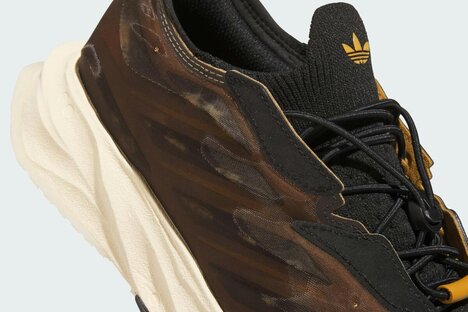
adidas is updating its retro SL 72 sneaker with the SL 72 Pro, a version that swaps the original slim sole for a much thicker, more cushioned base. The shoe retains the familiar low-profile shape and T-toe design, but its added height gives the classic running silhouette a chunkier look.
A textile upper and suede overlays keep the vintage running style intact, while the Core Black and Cream White colourway gives the shoe a restrained finish. Underfoot, Lightstrike+ cushioning provides a more modern feel, and an Adiwear rubber outsole adds grip and durability.
The SL 72 Pro offers an alternative for shoppers who like adidas' retro trainers but prefer a more substantial sole. The updated version is available through adidas, bringing contemporary cushioning to a design rooted in the brand's running archives.
Image Credit: AI-generated
Key Themes Behind This Trend
- Chunky Retro Runners
- Heritage running silhouettes gain renewed relevance as thicker soles and archival styling converge for consumers seeking nostalgic design with contemporary comfort.
- Modernized Cushioning Classics
- Advanced midsole technologies create space for legacy footwear lines to be refreshed without abandoning recognizable shapes, materials, or brand codes.
- Subtle Elevated Sneakers
- Restrained colorways paired with added sole height signal a market for understated footwear that blends everyday wearability with a more substantial profile.
Where This Applies
- Athletic Footwear
- Performance-derived cushioning and durable outsoles are reshaping casual sneaker updates by giving retro models functional advantages beyond aesthetics.
- Streetwear Fashion
- Chunkier versions of vintage trainers align with streetwear’s appetite for familiar icons reinterpreted through proportion shifts and comfort-led construction.
- Sportswear Retail
- Archive-based product extensions offer retailers a way to merchandise nostalgia-driven footwear alongside modern comfort stories for broader shopper appeal.
Featured Reports

The Smaller Celebration Economy

Creatine Is Leaving the Gym. The Beverage Industry Should Pay Attention.