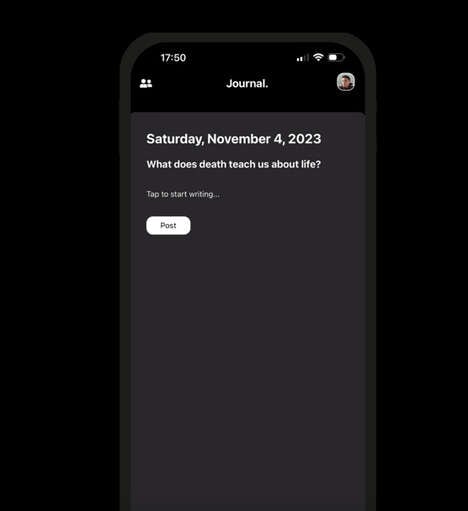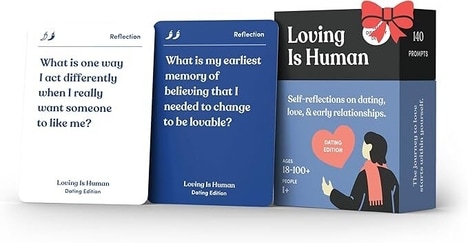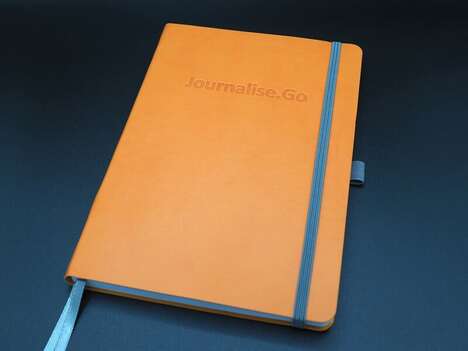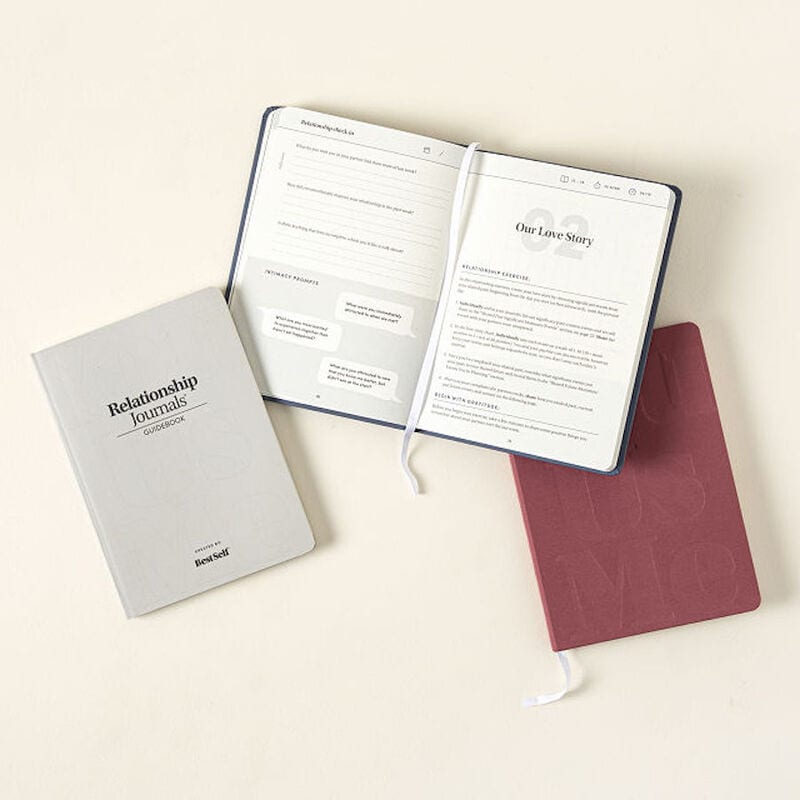
Relationships can be complicated, but through 'The Relationship Journals,' couples can learn to communicate better and connect. The set comes with two guided journals and a guidebook that, according to the description, will help forge a "deeper connection, with prompts to help cultivate greater self-awareness and emotional intimacy."
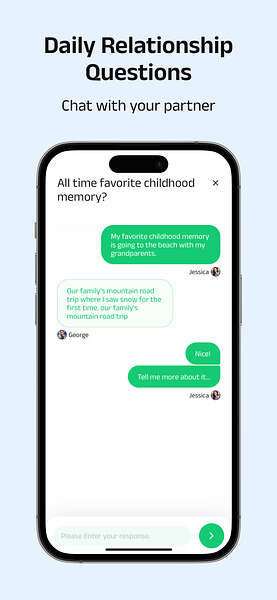
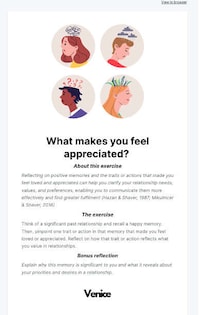
As a couple, users will, over 13 weeks of one-hour weekly sessions, answer deep relationship questions to understand better what each person has been feeling. The journals opt for open communication for questions that are sometimes difficult to bring up and ask, like "What do you wish you or your partner had done more of last week?" and "What could I do that would make you feel heard?". By the time the couple finishes the journals, they will have a collection of open questions and techniques that can help the growth of their relationship.
Image Credit: Uncommon Goods
What's Driving This Trend
- Relationship Communication Enhancement
- The development of digital relationship communication tools can provide accessible and effective methods for improving relationships.
- Guided Journal Therapy
- The usage of guided journals as a form of therapy can be expanded to cater to other mental health issues such as depression or anxiety.
- Self-exploration
- The trend of self-exploration and self-awareness can be fused into other fields to promote self-growth and development.
Who This Affects Most
- Couples Therapy Services
- Therapists can leverage digital tools to improve access and quality of communication tools for couples therapy services.
- Mental Health Care
- Guided journal therapy can be developed as an intervention for mental health care services such as psychiatry and clinical psychology.
- Personal Growth and Development
- Guided Journals can be marketed for personal growth and development sectors, such as life coaching and self-improvement communities.