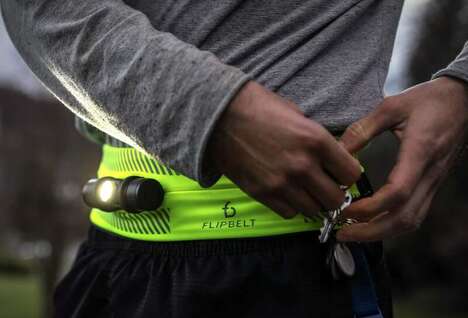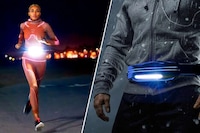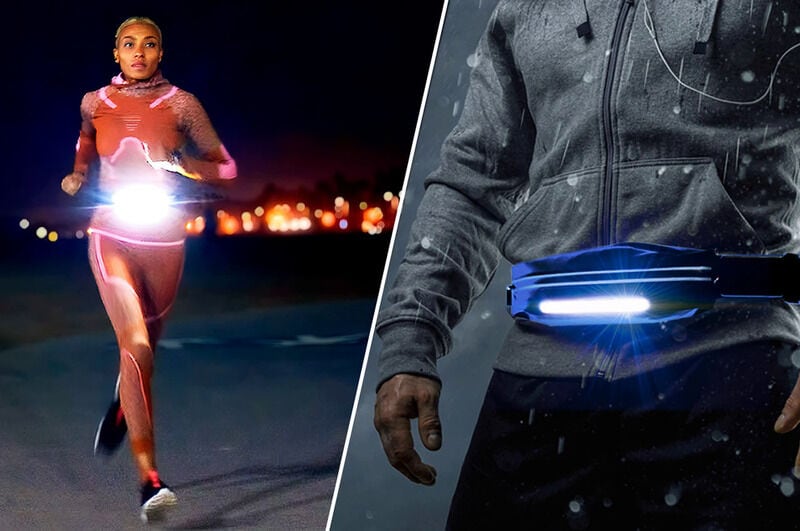
Bryan Robbins designs the Lumabelt, which is a slim wearable light that offers storage space for a phone, keys, and wallet during a run. Notably, it is integrated with an LED flashlight that can illuminate the path ahead of the wearer to create a safe path and show their visibility simultaneously. R
obbins is an athlete himself and found that regular mounted lamps are not an elegant form of function. The waste-mounted wearables were often bulky or didn't have lights. As a response to this, Robbins created the Lumabelt that tackled all of the aforementioned issues. It is built by a runner and not a brand and the first prototype integrated a powerful light and measures about 3 inches in height.
Image Credit: Bryan Robbins
Why This Trend Is Growing
- Wearable Safety Devices
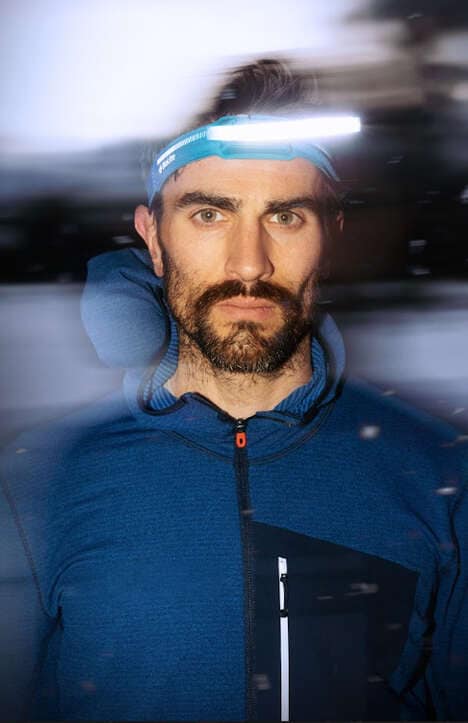
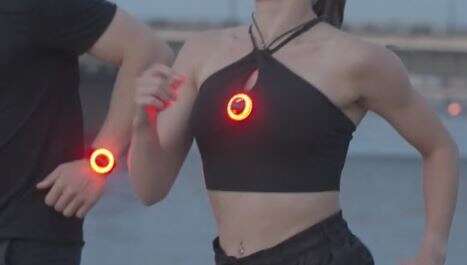
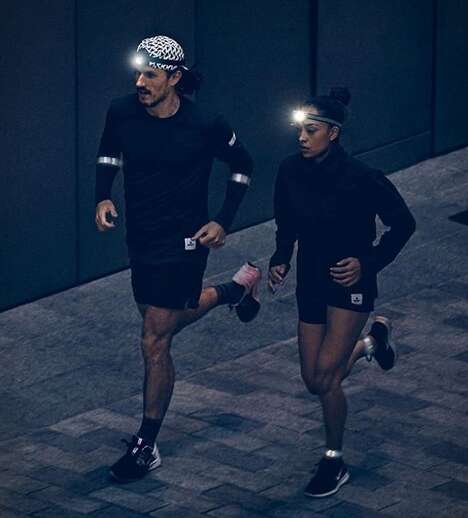
- Runners requiring enhanced visibility and safety features can benefit from the integration of LED lighting directly into their gear.
- Multi-functional Fitness Accessories
- Combining storage space for personal items with safety lights meets dual needs of convenience and safety for fitness enthusiasts.
- Athlete-inspired Design
- Products crafted by athletes who identify gaps in existing solutions are likely to address real-world issues more effectively.
Industries Being Reshaped
- Sportswear
- The integration of LED lights into running belts opens up opportunities to enhance safety features within the sportswear market.
- Wearable Technology
- Wearable tech that includes safety features such as built-in lights can revolutionize how athletes stay visible and secure.
- Outdoor Equipment
- Innovative gadgets aimed at improving outdoor activity safety cater to the needs of night-time runners and trekkers.