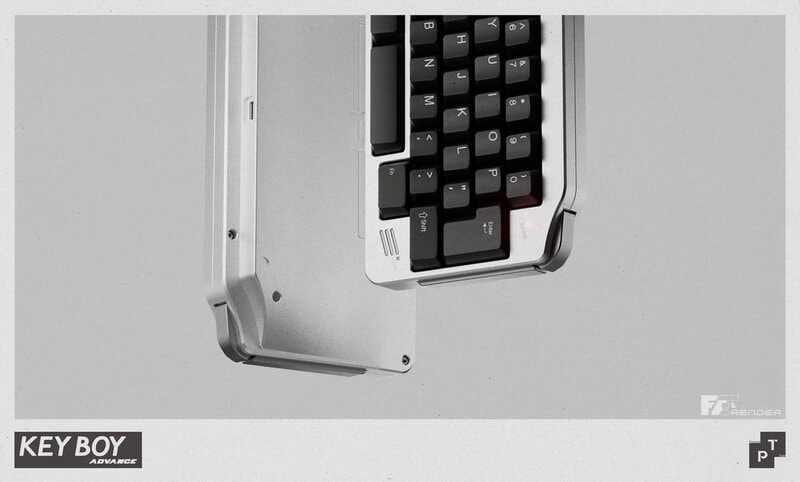
The KeyBoy Advance is a 50% HHKB-layout mechanical keyboard created by PromoType, designed to evoke the look of the 2001 Game Boy Advance while functioning as a compact desktop typing device. Its chassis features curved side profiles, a faux speaker grille, stylized battery cover and power indicator LED, along with functional shoulder buttons equipped with programmable micro-switches.
Built as a bare-bones kit for keyboard enthusiasts, the KeyBoy Advance offers soldered, wired hot-swap and tri-mode hot-swap PCB options with Bluetooth and 2.4 GHz wireless support. It also features multiple spacebar configurations, a 7-degree typing angle and a 19 mm front height. The shoulder buttons can be configured through Vial software for layers, media controls or macros.
For builders and retro gaming fans, the keyboard combines nostalgic styling with modern customization and programmable functionality. Available through a group buy until July 22, 2026, it targets collectors seeking a functional tribute to handheld gaming history.
Image Credit: PromoType
What Makes This Trend Stand Out
- Nostalgic Tech Design
- Retro console aesthetics in modern peripherals create room for products that blend emotional familiarity with contemporary performance and customization.
- Programmable Compact Keyboards
- Smaller keyboard layouts with configurable layers, macros and wireless modes are expanding the appeal of space-saving tools for power users and hobbyists.
- Collector-grade Hardware Kits
- Bare-bones group-buy devices show how limited-run, build-it-yourself hardware can transform everyday accessories into enthusiast collectibles.
Sectors Adopting This
- Consumer Electronics
- Personal devices inspired by gaming heritage can differentiate mature accessory categories through design-led fandom and functional upgrades.
- Gaming Peripherals
- Hybrid input products that merge keyboard utility with controller-like features open new possibilities for customizable desktop gaming setups.
- Maker Hardware
- Modular kits with software-programmable components reflect growing demand for hands-on customization across niche electronics communities.