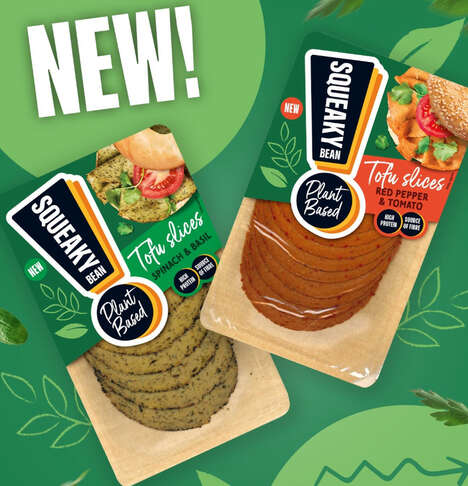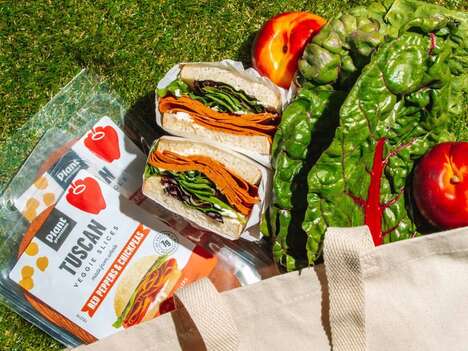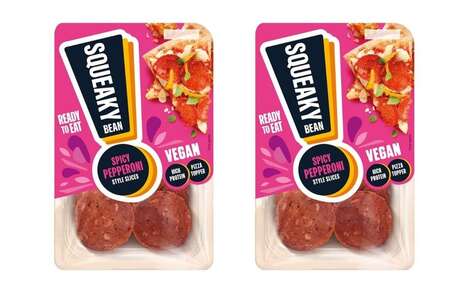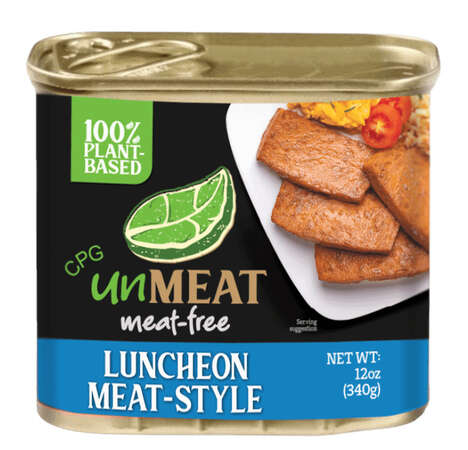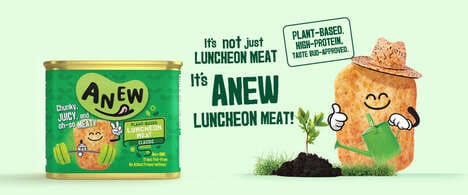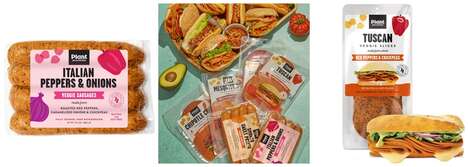
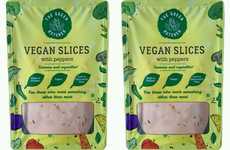

Tulip Ltd, a pork product manufacturer, recently launched The Green Butcher range -- a vegan line of sandwich slices. The company partnered with Co-op, a UK-based retailer, to create vegan slices with peppers that are high in protein and low in saturated fats.
“We knew that if we were going to create a vegan product, we wanted to offer a healthier option for consumers and with our slices containing real vegetables, we have a big point of differentiation from other products in the sector," said Sam Reader, NPD and innovation controller at Tulip. The plant-powered Green Butcher slices are a cross between faux-meat slices and cheese slices and have a recommended retail price of £1.75.
What Makes This Trend Stand Out
- Plant-based Meat Alternatives
- The rise of plant-based meat alternatives presents an opportunity for pork producers like Tulip Ltd to enter the growing vegan market.
- Healthy Vegan Options
- Creating vegan products that are high in protein and low in saturated fats opens up a niche market for food manufacturers looking to cater to health-conscious consumers.
- Differentiation Through Real Ingredients
- Incorporating real vegetables into vegan products can help brands stand out in the crowded vegan food sector, offering a unique selling proposition.
Sectors Adopting This
- Meat Processing
- Meat processing companies can explore diversifying their product offerings by entering the plant-based meat alternative market, tapping into the growing demand for vegan options.
- Grocery Retail
- Grocery retailers can enhance their product portfolios by partnering with vegan food manufacturers and offering a range of vegan meat alternatives to meet the increasing consumer demand.
- Food Manufacturing
- Food manufacturers can capitalize on the consumer trend towards healthier food choices by creating innovative vegan products that are marketed as high in protein and low in saturated fats.