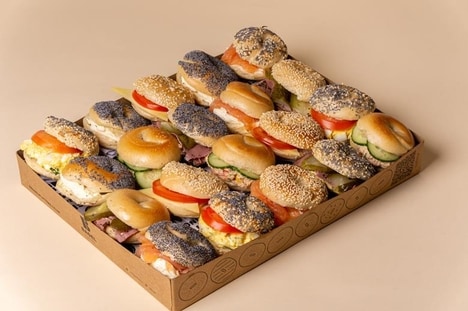
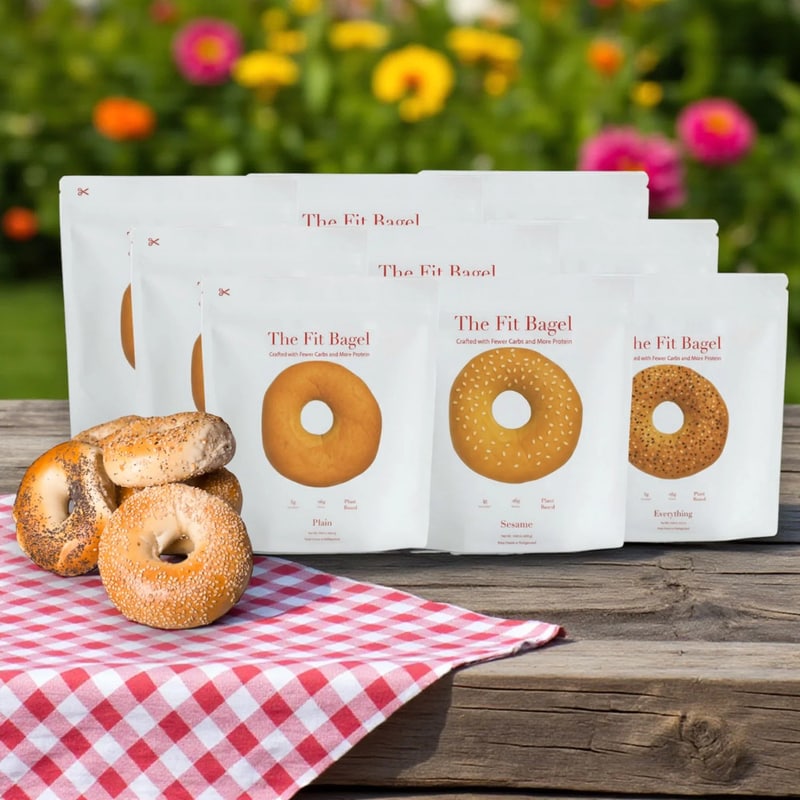
Cold Chain 3PL launched a consumer food brand called The Fit Bagel, introducing a standalone line of refrigerated bagels designed and distributed by the logistics operator, featuring end-to-end cold storage integration. The move followed a market disruption created by BetterBrand's abrupt shutdown and positioned the operator to fill a retail supply gap with a vertically aligned offering.
The Fit Bagel debuted with disciplined temperature-controlled handling, shelf-ready packaging and centralized fulfillment that lean on the parent company's third-party logistics capabilities. Product specifics included refrigerated SKU management, consistent cold-chain traceability and retailer-ready palletization to speed replenishment.
For consumers, the launch promises fresher refrigerated bagels and steadier in-store availability by tying branding to proven freeze-chain operations. The effort signals a wider trend of logistics firms turning operational rigor into consumer-facing brands to stabilize disrupted categories.
Image Credit: Cold Chain 3PL
Key Themes Behind This Trend
- Logistics-branded Consumer Goods
- A rise in supply-chain operators launching consumer brands presents novel propositions where operational reliability becomes a primary brand promise.
- Cold-chain Vertical Integration
- Integrated end-to-end temperature-controlled networks are enabling tighter control over freshness and inventory continuity across perishable categories.
- Shelf-ready Refrigerated SKU Standardization
- Standardized refrigerated packaging and palletization protocols are streamlining replenishment cycles and reducing out-of-stock variability for retailers.
Where This Applies
- Retail Grocery
- Stronger cold-chain partnerships are reshaping assortment strategies and altering expectations for in-store product freshness and availability.
- Third-party Logistics
- Provider expansion into consumer-facing products is redefining revenue models by leveraging fulfillment expertise as a marketable asset.
- Food Manufacturing
- Closer alignment with temperature-controlled distribution channels is enabling smaller-scale, fresher SKUs to compete with established shelf-stable brands.