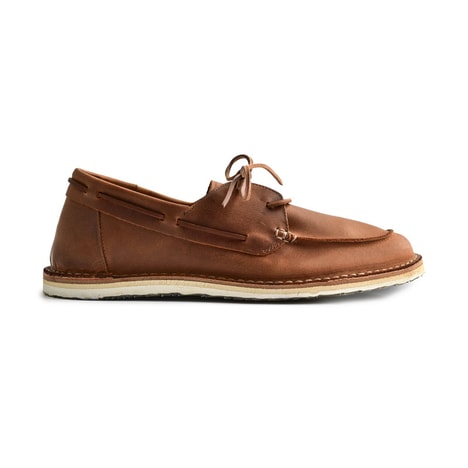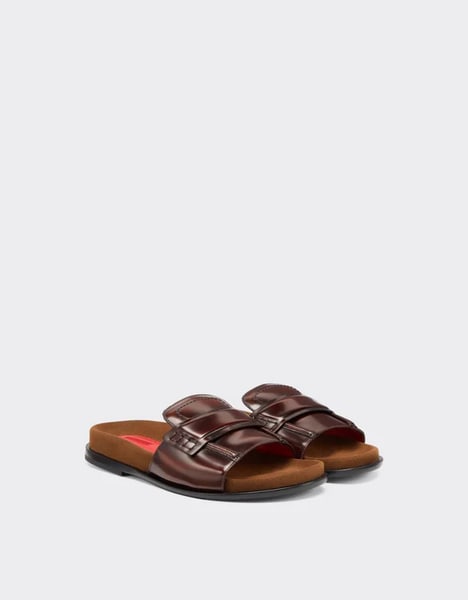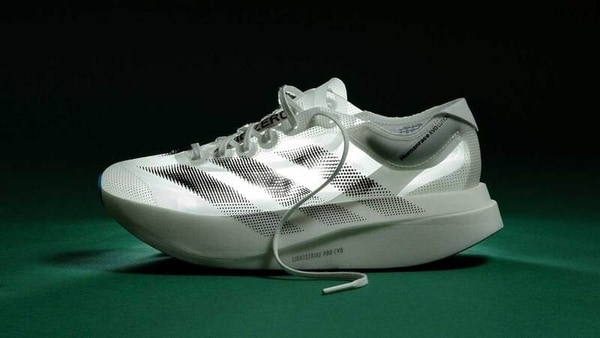
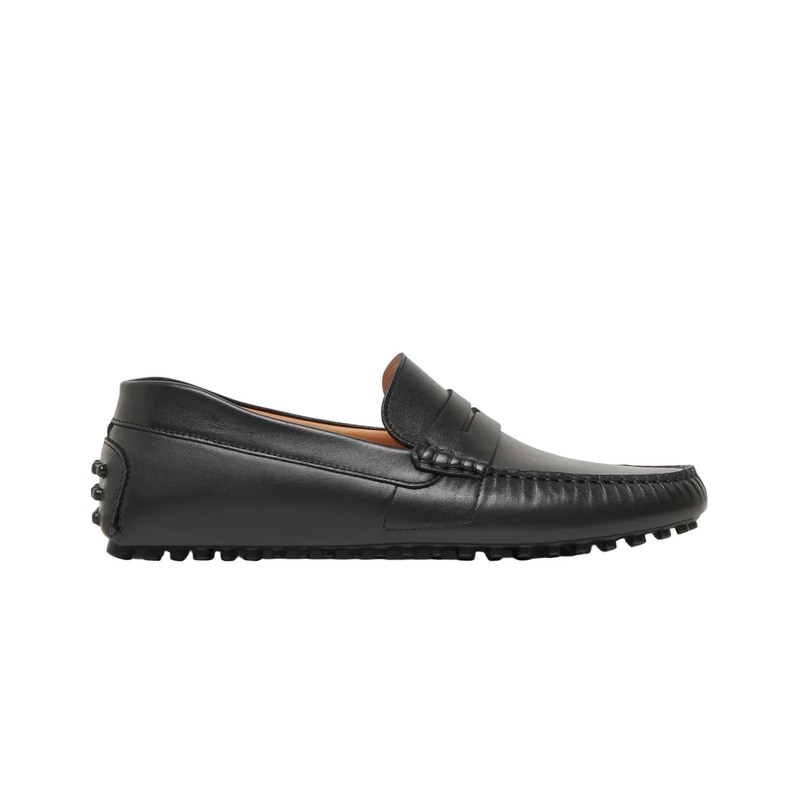
Greats brought the driver shoe back to its roots with the Corsa, a hand-sewn loafer crafted in Portugal from a suede and leather upper that channels the spirit of 1960s grand touring culture. The silhouette stays low and streamlined, with a flexible rubber sole that prioritizes grip without adding bulk — a construction choice that keeps the shoe feeling light and responsive underfoot.
The interior is fully leather-lined with a cushioned footbed, bridging the gap between dress shoe refinement and all-day wearability. Available in Nero, Cognac, and Navy, the Corsa is priced at $263 and positions itself squarely in the accessible luxury space. For a brand built on the premise that quality footwear shouldn't require a luxury markup, the Corsa reads as a confident, well-executed entry into a category that rarely gets this kind of thoughtful treatment.
Why This Trend Is Growing
- Heritage Craftsmanship Revival
- A renewed emphasis on hand-sewn construction and regional shoemaking techniques creates room for small-batch, provenance-driven product lines that command premium perception without traditional luxury markups.
- Accessible Luxury Footwear
- Bridging premium materials and attainable pricing signals potential for business models that optimize production efficiency while preserving perceived quality.
- Comfort-formal Hybrid Silhouettes
- Low-profile designs with cushioned, flexible soles point to novel product categories that blend dress-shoe aesthetics with everyday wearability for broader wardrobe integration.
Industries Being Reshaped
- Footwear Retail
- Smaller retailers could differentiate through curated, story-driven assortments focused on artisanal origins and functional comfort to capture discerning but value-conscious shoppers.
- Direct-to-consumer Apparel
- Brands selling directly online have the capacity to reframe pricing and margin structures by showcasing craftsmanship and manufacturing transparency as core value propositions.
- Made-in-region Manufacturing
- Localized production hubs centered on skilled regional artisans offer opportunities for vertically integrated supply chains that emphasize traceability and reduced lead times.