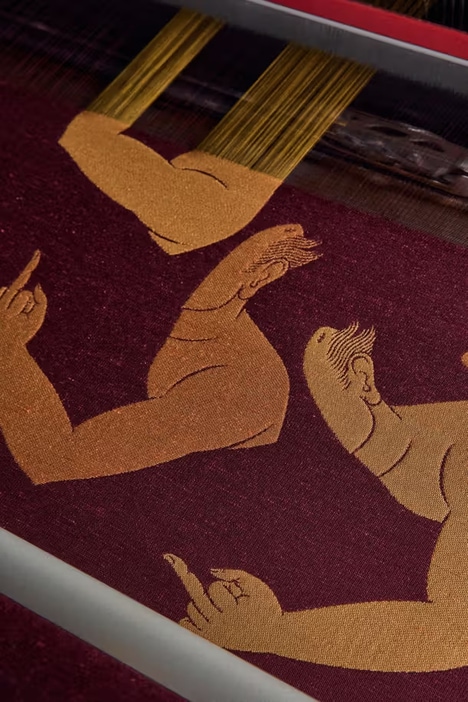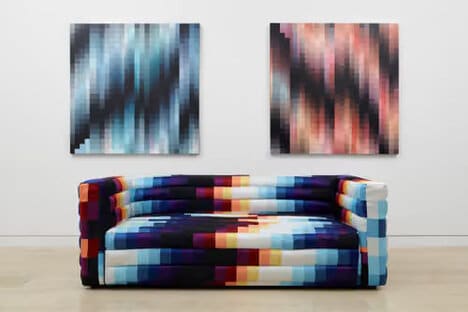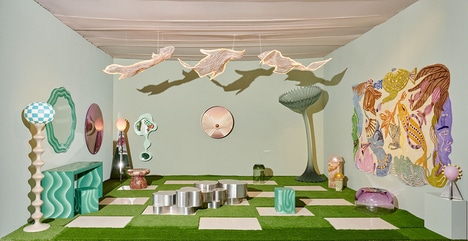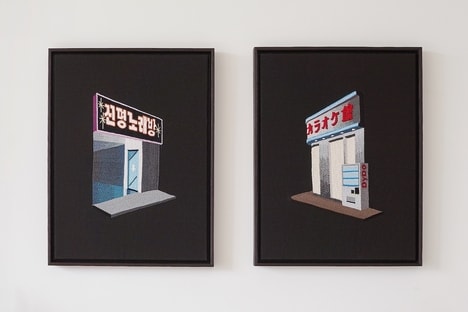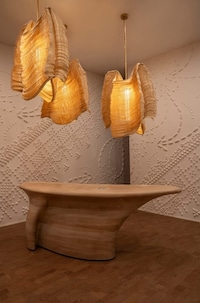
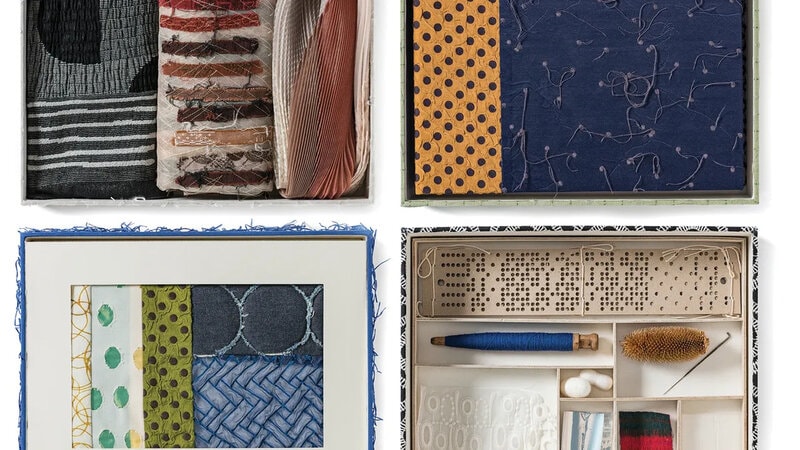
LACMA presents the exhibition Textile Alchemy: The Art of Reiko Sudō and Nuno, a survey of the Japanese textile artist’s nearly 40-year practice featuring a vast expanse of semitransparent curtains coated in a microscopic layer of chrome that both shimmers and moderates light. The show centers on works made by Sudō and the 10-person Tokyo atelier Nuno, with pieces that fuse centuries-old artisanal techniques and contemporary processes.
Featured techniques include Feather Organza, where multi-layered silk organza holds individual guinea fowl feathers, and salt-shrunken silk crepes finished with gels or steam to form dimensional organzas that recall jellyfish. Sudō also integrates metals with automotive techniques and stretches spandex into origami-like structures. The installation will reproduce the footprint of Nuno’s 1984 Tokyo shop, with bolts of fabric, scarves and goods available for touching and purchase.
For visitors, the show makes textile practice tactile and multisensory, offering visual, tactile and auditory moments that foreground craft and materiality. Its emphasis on sustainable materials and sustaining artisan knowledge ties Sudō’s experimental processes to longer-lived craft economies and everyday use.
Image Credit: Tamura K?suke
What Makes This Trend Stand Out
- Metallic Textile Art
- Microscopic metal coatings on delicate fabrics create new possibilities for light-responsive interiors, wearable surfaces and architectural installations that merge craft aesthetics with advanced material performance.
- Tactile Museum Retail
- Hands-on exhibitions with purchasable textiles transform cultural spaces into experiential marketplaces where visitors can engage directly with materials before adopting them into everyday life.
- Sustainable Craft Innovation
- Artisanal knowledge paired with contemporary processes supports longer-lasting material systems that differentiate products through heritage, sensory richness and lower-impact production narratives.
Sectors Adopting This
- Textile Design
- Experimental fabric treatments such as feather embedding, salt shrinking and dimensional organza expand the commercial potential of specialty textiles across fashion, interiors and collectible design.
- Museum Exhibitions
- Multisensory installations that combine education, touch and commerce point to new curatorial models built around participatory learning and material-led storytelling.
- Interior Architecture
- Semitransparent metallic curtains and sculptural textile structures offer adaptive alternatives to conventional partitions, lighting treatments and acoustic surfaces in premium spaces.