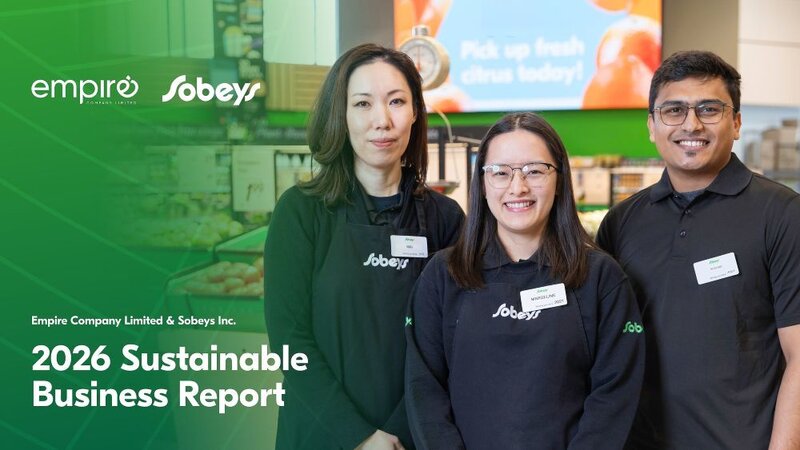
Tech-enabled food waste reduction is helping Sobeys keep surplus groceries in circulation while reducing the amount of edible food sent to landfills. Through programs including FoodHero, available in more than 850 stores across Canada, customers can purchase discounted surplus products before they become waste. In fiscal 2026, shoppers purchased 2.3 million kilograms of food through the platform, while Sobeys also donated 40.6 million pounds of food and supported more than 2,600 local charities. Together, these efforts helped Empire reduce food loss and waste by 50.3% compared with its 2016 baseline.
For grocery retailers, combining digital discount platforms with donation networks creates opportunities to recover value from excess inventory while meeting sustainability targets. These programs can also attract price-conscious consumers, strengthen community partnerships and reduce disposal costs, demonstrating how waste-reduction strategies can deliver both environmental and commercial benefits.
Image Credit: Sobeys
Key Themes Behind This Trend
- Surplus Grocery Marketplaces
- Digital platforms that match discounted near-expiry inventory with shoppers create new revenue channels from products that would otherwise be discarded.
- Retail Waste Analytics
- Inventory data, demand forecasting and markdown automation are reshaping how grocers identify surplus earlier and reduce avoidable food loss.
- Community-linked Sustainability
- Integrated donation networks give retailers a way to connect waste-reduction goals with local social impact and stronger neighborhood relevance.
Where This Applies
- Grocery Retail
- Supermarkets are becoming testing grounds for technology-driven circular inventory models that balance margin recovery with sustainability performance.
- Food Technology
- Software providers can expand beyond ordering and delivery by building specialized tools for surplus redistribution, dynamic pricing and impact measurement.
- Nonprofit Food Distribution
- Charitable food networks gain strategic value as retail partners use coordinated logistics and data systems to redirect edible surplus at scale.