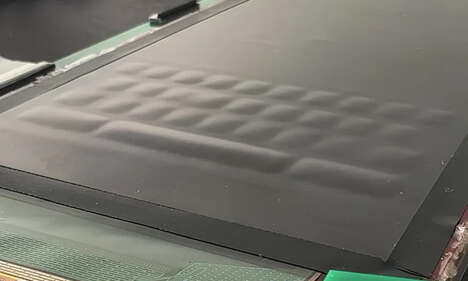
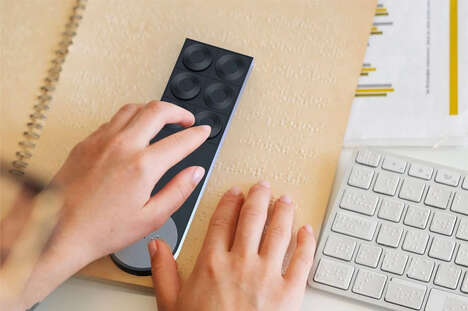
Researchers from Stanford have created a tactile display for visually impaired individuals. The tactile display was recently presented at ACM SIGACCESS, which is a group that focuses on accessibility in technology. The tactile display is comprised of pins that can be raised or lowered in order to provide the user with a different tactile experience. The pins are meant to mimic a shape in real-time.
At its current stage, the device is a prototype and the team of researchers will continue to revise the design. Notably, the researchers indicated that they will look at reducing the size of the pin, which would effectively increase the resolution of the tactile display.
As the technology for tactile displays improves, devices get closer to being able to provide real-time displays to visually impaired individuals.
Image Credit: Stanford University
Why This Trend Is Growing
- Tactile Display Technology
- The development of tactile display technology presents disruptive innovation opportunities for enhancing accessibility and providing real-time displays to visually impaired individuals.
- Accessibility in Technology
- The focus on accessibility in technology opens up disruptive innovation opportunities for developing inclusive and user-friendly solutions.
- Improving Tactile Display Resolution
- The ongoing efforts to improve tactile display resolution offer disruptive innovation opportunities for creating more detailed and realistic tactile experiences.
Industries Being Reshaped
- Assistive Technology
- The field of assistive technology can capitalize on tactile display advancements to create innovative solutions for visually impaired individuals.
- Human-computer Interaction
- The human-computer interaction industry can leverage tactile display technology to develop interactive and immersive user experiences.
- Biomedical Engineering
- The biomedical engineering industry can explore the potential of tactile display technology to enhance healthcare solutions for visually impaired patients.