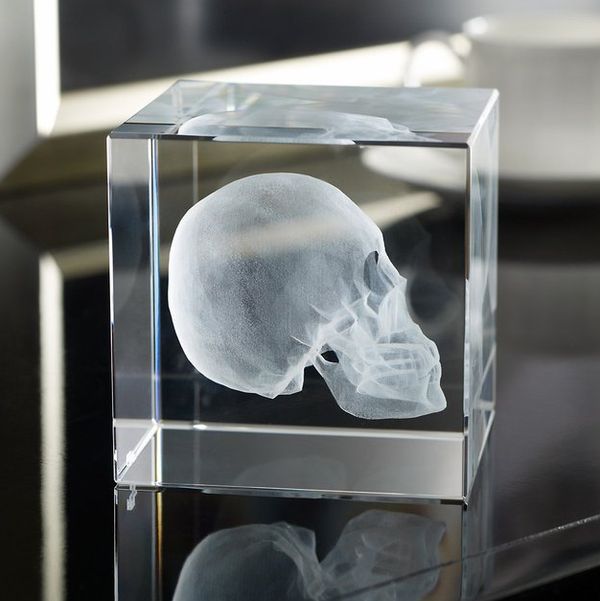
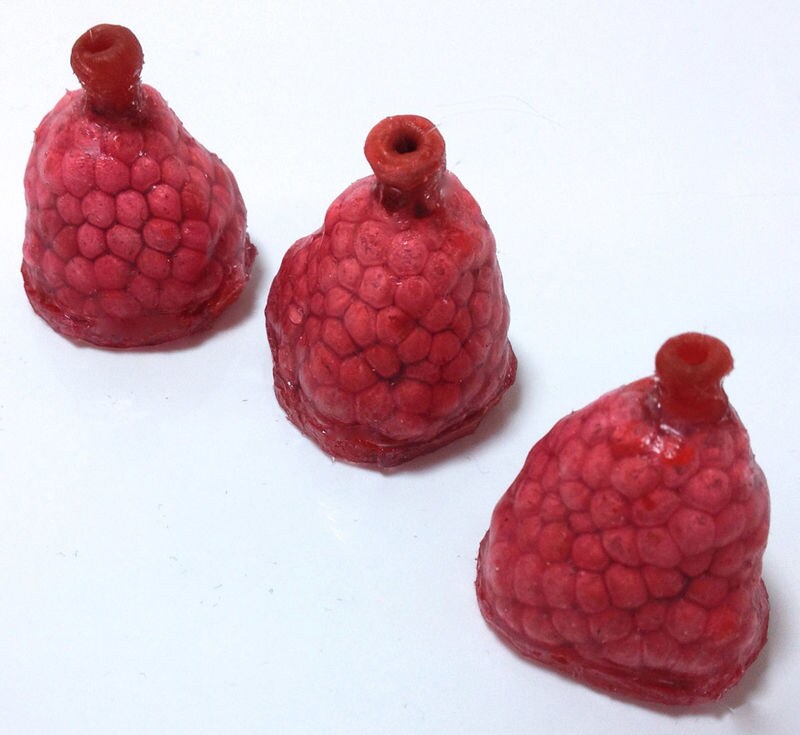
Glasgow-based designer Fraser Ross recently debuted a collection of synthetic organs that feature both human and animal attributes. For many designers, it is common to turn to nature as a source of inspiration. This project uses synthetic biology to explore the evolution of the human body.
Ross' series features seven conceptual organs, each of which is made from synthetic materials. These materials are inspired by natural biology and include everything from raspberries to broccoli. The organs feature human element and attributes from animals such as squids and spiders. As a result, some of the models are capable of carrying out additional functions such as squirting ink and spinning silk.
Although the synthetic organs may seem unusual, they serve as a commentary on the potential to genetically engineer artificial life and the ability to create living products out of artificial materials.
Why This Trend Is Growing
- Synthetic Biology
- Exploring the evolution of the human body through synthetic biology opens up opportunities for creating innovative and customizable organs.
- Bio-inspired Design
- Drawing inspiration from nature's biology to design and create synthetic organs with human and animal attributes allows for the development of unique functionality and capabilities.
- Genetic Engineering
- Commenting on the potential to genetically engineer artificial life through synthetic organs highlights disruptive innovation opportunities in the field of bioengineering and biotechnology.
Industries Being Reshaped
- Biotechnology
- The use of synthetic biology in creating synthetic organs presents disruptive innovation opportunities for the biotechnology industry, enabling advancements in biomedical research and personalized medicine.
- Design and Fashion
- Integrating bio-inspired design and synthetic organs into the design and fashion industry allows for the development of unique and unconventional wearable creations.
- Medical Devices
- The application of synthetic biology and genetic engineering in the development of artificial organs can revolutionize the medical devices industry, offering advanced and customized solutions for patients in need.