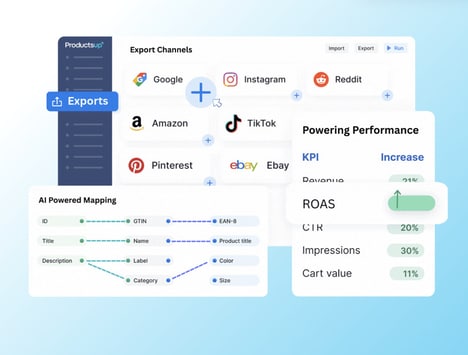

Syndicated product content systems are transforming how brands manage and distribute product information across retail environments. Colgate-Palmolive is adopting AI-powered technology to centralize its product data, allowing images, descriptions and attributes to be shared simultaneously across multiple ecommerce platforms and physical store networks. This approach replaces manual, retailer-by-retailer updates with a unified system that ensures consistency and accuracy wherever products appear.
This model improves operational efficiency while strengthening brand control over how products are ներկայացed to consumers. Consistent content can enhance shopper trust and support better purchasing decisions, ultimately driving conversion rates. It also enables faster updates, helping brands respond quickly to market changes or new product launches. As retail becomes increasingly omnichannel, centralized content distribution systems could become essential infrastructure, allowing companies to scale efficiently while maintaining a cohesive brand experience.
Image Credit: Colgate-Palmolive
Why This Trend Is Growing
- AI-powered Content Syndication
- Centralized AI systems that automate image, copy and attribute mapping across retailers could reduce manual curation costs and enable scalable, consistent brand presentations at global scale.
- Unified Product Data Hubs
- Single-source product repositories that normalize and enrich SKU information can create new platforms for third-party integrations, licensing of enhanced product metadata, and cross-channel analytics services.
- Real-time Omnichannel Updates
- Instant distribution of product changes to both ecommerce and in-store touchpoints has the potential to shorten time-to-shelf for promotions and minimize compliance errors across retailer networks.
Industries Being Reshaped
- Consumer Packaged Goods
- Brands in this sector could leverage syndicated systems to maintain tighter control over product narratives and unlock premium placement opportunities through standardized, high-quality content.
- Ecommerce Marketplaces
- Platform operators may see shifts in seller onboarding and catalog management as centralized feeds enable richer listings and reduce duplicate or inaccurate product entries.
- Retail Technology Providers
- Vendors building PIM, DAM and syndication tools are positioned to offer modular services that combine AI enrichment, compliance monitoring and channel-specific formatting as a new category of infrastructure.