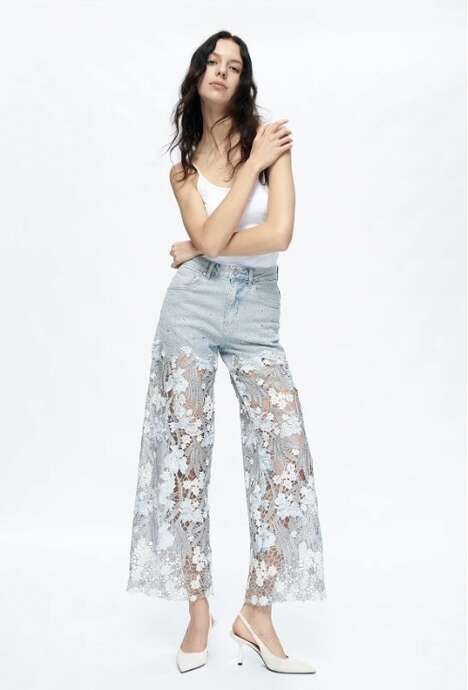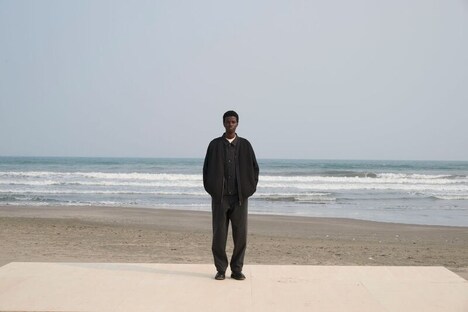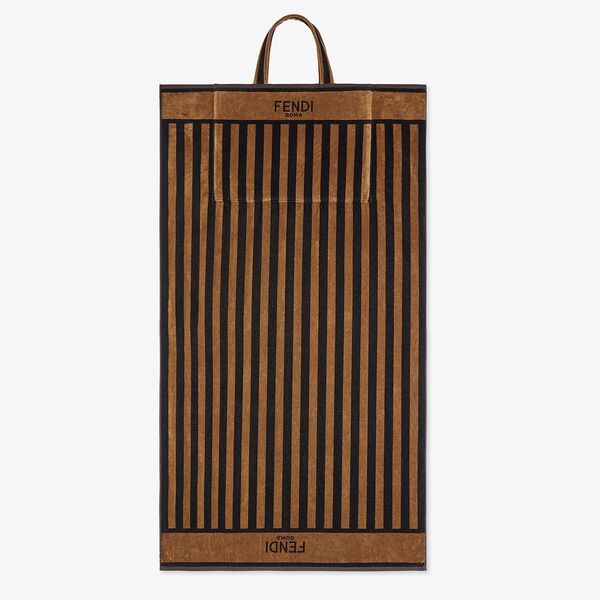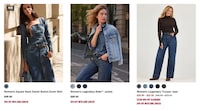


For the Fall/Winter 2020 fashion season, Levi's is bringing consumers a sustainably made collection of fashionable layering pieces that are made with outdoorsy consumers in mind.
The collection features a variety of cozy cold weather pieces for both women and men, which are made up of sustainable fabrics, including recycled materials and innovative new fibers that were created by the brand to supply consumers with fashionable attire while helping them to decrease their carbon footprint.
Throughout the collection, the brand utilizes its new 'Cottonized Hemp,' which supplies traditional cotton with a whole new aesthetic, as well as a new material it calls 'Sustainably Soft,' which is crafted with Tencel™ Lyocell and EcoVero. The collection also includes a variety of natural and man-made recycled materials, with sustainable cotton and polyester both utilized in different pieces.
Image Credit: Levi's
Key Themes Behind This Trend
- Eco-friendly Fashion
- There is an opportunity for companies to create fashionable clothing using sustainably sourced materials and environmentally friendly production methods.
- Sustainable Textile Innovation
- Innovative new fibers and processing methods can be developed to create high-quality textiles that are sustainable and eco-friendly, helping to address the fashion industry's carbon footprint.
- Recycling in Fashion
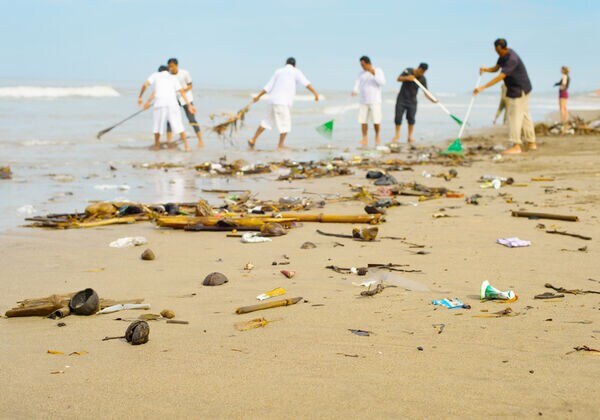
- The use of recycled materials in fashion can help to reduce waste and promote a circular economy in which materials are reused instead of wasted.
Where This Applies
- Fashion
- The fashion industry can explore the use of sustainable materials and production methods to reduce its carbon footprint and become more eco-friendly.
- Textile Production
- Textile manufacturers can develop new, sustainable fibers and production methods to help create more eco-friendly textiles for the fashion industry.
- Waste Management
- Companies specializing in waste management can explore ways to reuse and recycle materials from the fashion industry to help reduce waste and promote a circular economy.