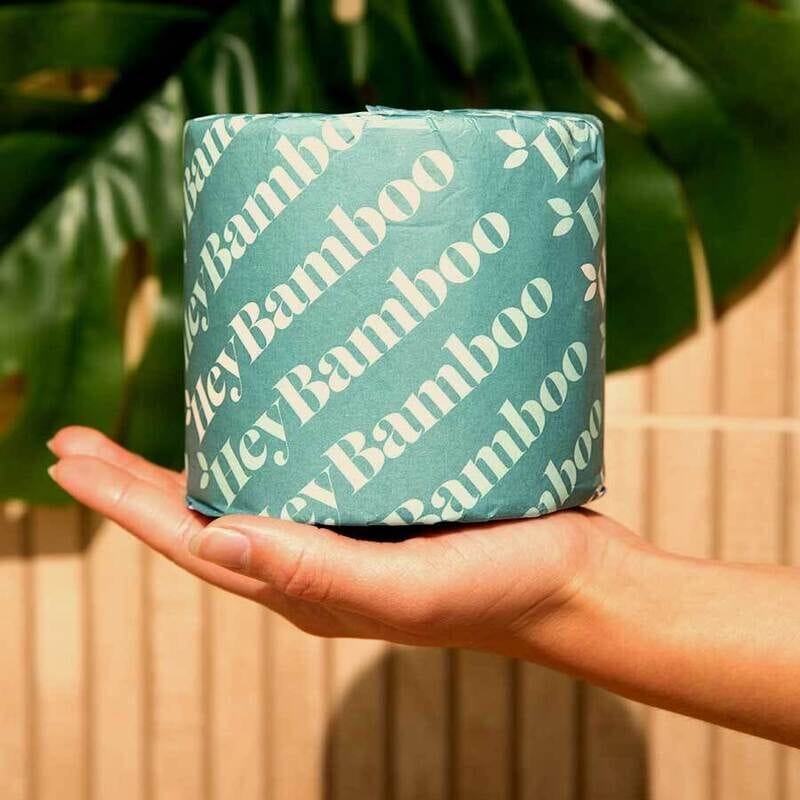
HeyBamboo is a sustainable toilet paper brand that has gained attention for its eco-friendly approach. Founded by Joslyn Faust, the brand addresses significant ecological concerns related to traditional toilet paper production, which often involves the daily cutting of approximately 27,000 trees.
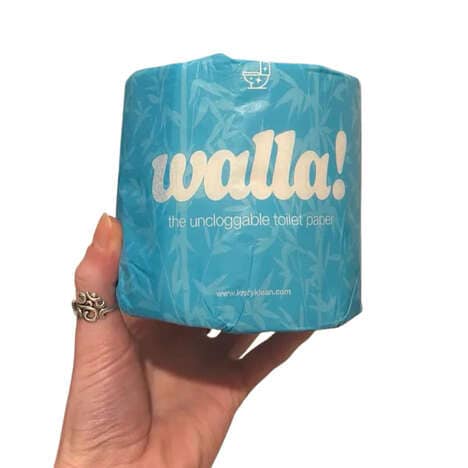
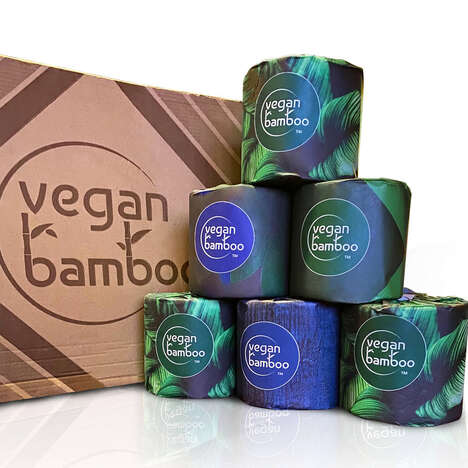
HeyBamboo's sustainable toilet paper is made from bamboo, a resource known for its rapid growth and minimal resource requirements. This three-ply toilet paper is designed to be silky, strong, and absorbent. Additionally, it is free from harmful chemicals, making it suitable for sensitive skin and furthering its environmental impact.
HeyBamboo also incorporates a charitable aspect into its business model, planting a tree for every purchase through partnerships with One Tree Planted and various family-focused charities. Additionally, the brand emphasizes zero-waste practices, plastic-free packaging, and FSC certification.
Image Credit: HeyBamboo
What Makes This Trend Stand Out
- Bamboo-based Products
- Bamboo's rapid growth and low resource requirements offer a sustainable alternative to traditional materials.
- Charitable Business Models
- Incorporating a charitable element, such as tree planting for purchases, can enhance brand loyalty and social impact.
- Chemical-free Consumer Goods
- Developing products free from harmful chemicals caters to the growing demand for healthier lifestyle choices.
Sectors Adopting This
- Sustainable Hygiene Products
- The shift towards eco-friendly materials like bamboo is transforming the hygiene product industry.
- Eco-conscious Packaging
- Plastic-free and zero-waste packaging solutions are becoming pivotal in reducing environmental footprints.
- Social Enterprise
- Companies that integrate philanthropic missions into their business practices can differentiate themselves in competitive markets.