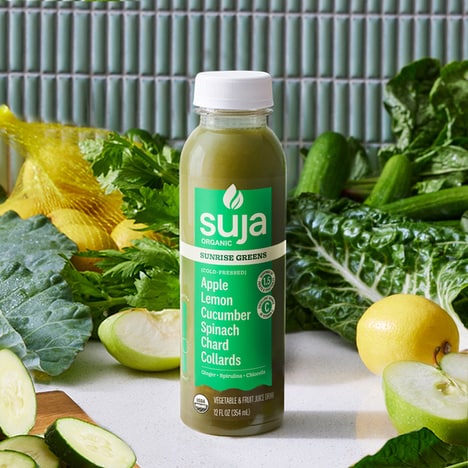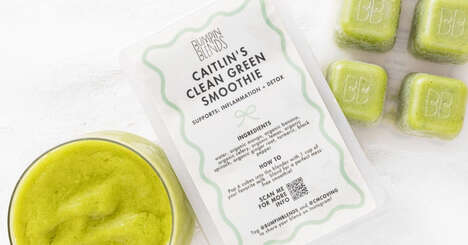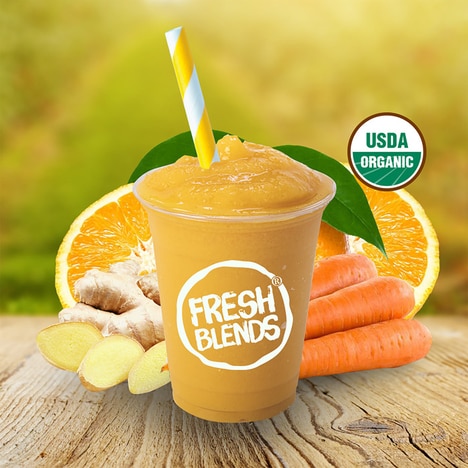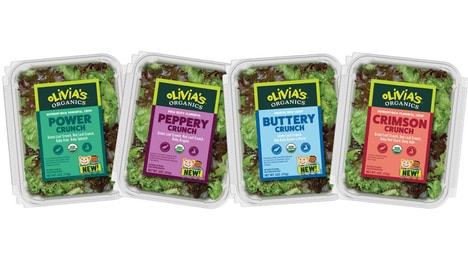
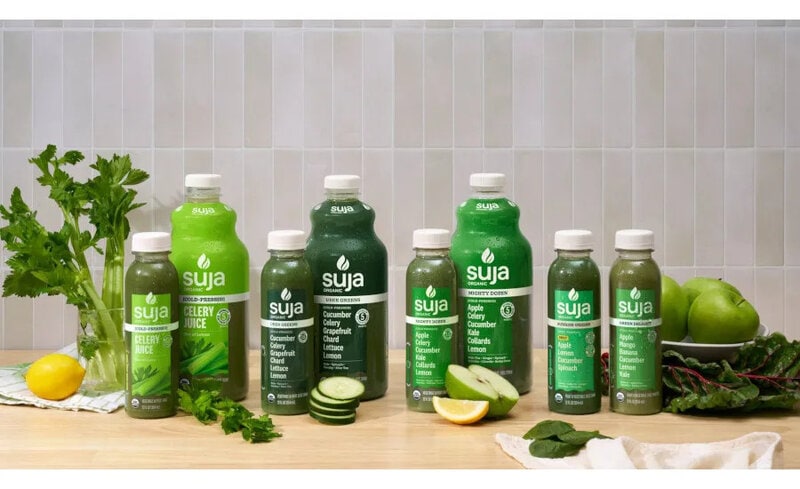
This Suja Organic campaign has been launched by the brand in response to the Cyclospora outbreak to encourage consumers to ditch fresh produce that might not be safe to eat for its juice products.
The campaign encourages consumers to opt for Suja Organic products that are manufactured with strict food safety controls in place like ingredient monitoring, sanitation programs and high pressure processing (HPP). The drinks are thus safe to sip in place of eating leafy greens as consumers continue to deal with the outbreak in the US.
The Suja Organic campaign works by simply posting a photo, story or video on Instagram, TikTok or Facebook of produce that needs to be discarded and tagging @SujaOrganic. The brand will then drop a link for a free green juice that can be redeemed at most major retailers.
Image Credit: Suja Life
What Makes This Trend Stand Out
- Outbreak-responsive Sampling
- Food and beverage brands can convert public health disruptions into trust-building trial programs by offering safe alternatives tied to real-time consumer concerns.
- Social Proof Food Swaps
- User-generated posts that document discarded products create a participatory replacement model where safety messaging, brand visibility, and sampling merge.
- Safety-certified Convenience
- Heightened awareness of contamination risks increases demand for ready-to-consume products that emphasize processing standards, ingredient monitoring, and sanitation safeguards.
Sectors Adopting This
- Organic Beverages
- Juice and functional drink companies have room to position controlled-processing methods as a premium advantage during fresh food safety scares.
- Grocery Retail
- Retailers can benefit from redemption-based campaigns that redirect worried shoppers toward packaged alternatives while maintaining basket value during produce disruptions.
- Food Safety Technology
- Verification, monitoring, and high-pressure processing solutions are becoming more marketable as consumer-facing brands spotlight safety infrastructure as a differentiator.