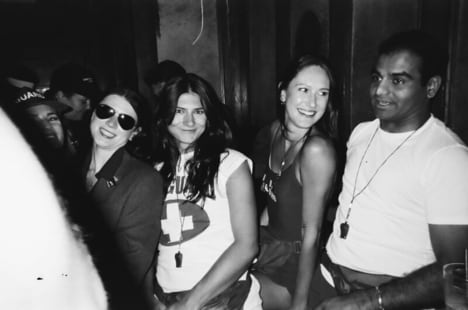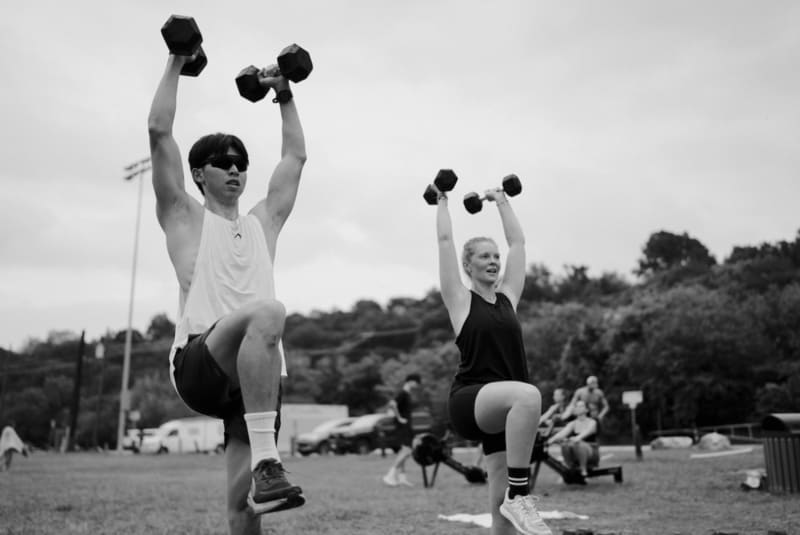
The Athletic Clubs, a New York-based social fitness brand known for its fixed 20-person squad training model, is expanding to Chicago with two locations opening in spring 2026. These include the Lake Street Athletic in the West Loop and the Old Town Athletic on North Wells Street. The venture is noteworthy as it marks The Athletic Clubs' first move beyond New York City, where it has grown to over 2,000 members across multiple neighbourhood clubs.
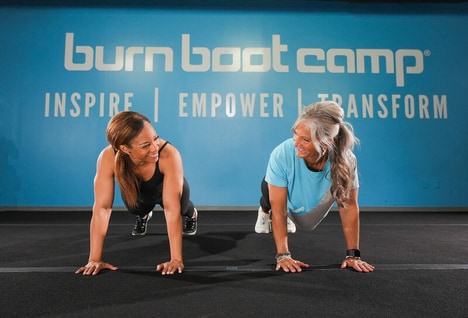
The brand's squad training model requires individuals to join a specific squad that meets twice per week at the same time with the same coach and the same teammates. This fitness strategy blends structured strength and conditioning with the accountability and camaraderie of organized sports.
Image Credit: The Athletic Clubs
What Makes This Trend Stand Out
- Squad-based Fitness Expansion
- Emerging demand for fixed, coach-led squads creates prospects for scalable franchise models that standardize programming and community-driven retention across multiple cities.
- Fixed Cohort Memberships
- Memberships tied to set squads and schedules open possibilities for subscription bundles that lock in consistency and predictable revenue streams for operators.
- Social Accountability Training
- The emphasis on teammate continuity and accountability suggests room for platforms that quantify social cohesion metrics to enhance member engagement and outcomes.
Sectors Adopting This
- Boutique Fitness Clubs
- Smaller clubs focused on specialized formats can differentiate through replicated squad protocols and branded coach certification programs that raise entry barriers.
- Corporate Wellness Programs
- Employers seeking improved employee health could adopt squad-style training as a benefit model that links team-building objectives with measurable fitness participation.
- Real Estate Adaptive Retail Spaces
- Urban landlords and developers may reconfigure retail footprints into repeatable mid-sized fitness venues that prioritize frequency-driven tenant economics over traditional retail sales.