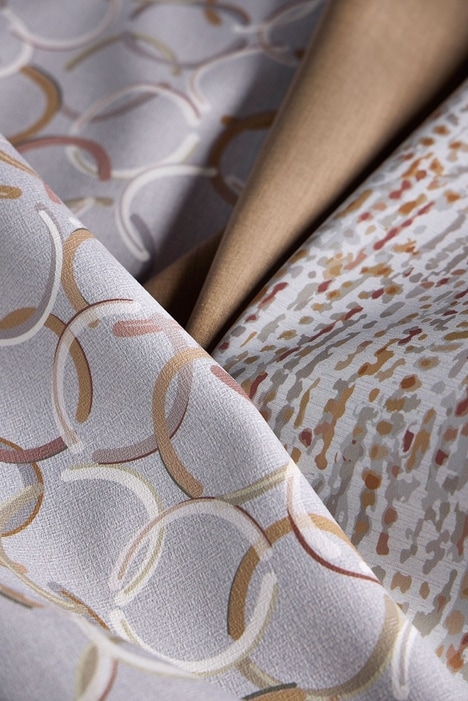

Pacific Home Fashion has introduced its sustainable Spring 2026 bedding collection, a line of performance-driven textiles engineered to enhance sleep quality through advanced fabric structures, certified materials, and a focus on microclimate regulation.
Pacific Home Fashion's Spring 2026 bedding collection includes the Honeycomb Waffle Blanket, which uses a three-dimensional weave to facilitate airflow and moisture dispersion, and the Muslin Plain-Weave Series, which is constructed from 100% cotton with an open configuration designed to maximize breathability while becoming softer with repeated washing.
All Pacific Home Fashion products carry OEKO-TEX Standard 100 certification, which serves to indicate that components have been tested for harmful substances. Select items from the brand also incorporate GOTS-certified organic cotton, responsibly sourced USA Cotton, or GRS-certified recycled fibres.
Image Credit: Pacific Home Fashion
Why This Trend Is Growing
- Performance-driven Textiles
- Enhanced weave structures and moisture-wicking finishes are enabling fabrics that systematically influence sleep quality through temperature and moisture control.
- Microclimate-regulating Bedding
- Products designed to manage localised bed microclimates promise significant changes in how consumers experience thermal comfort and night-time restfulness.
- Certified Sustainable Materials
- Widespread adoption of OEKO-TEX, GOTS and recycled-fibre certifications is reshaping material sourcing and consumer trust around environmental and health credentials.
Industries Being Reshaped
- Home Textiles and Bedding
- Bedding manufacturers and brands are positioned to rethink product differentiation through engineered weaves and performance-led fabric portfolios.
- Sleep Technology and Wellness
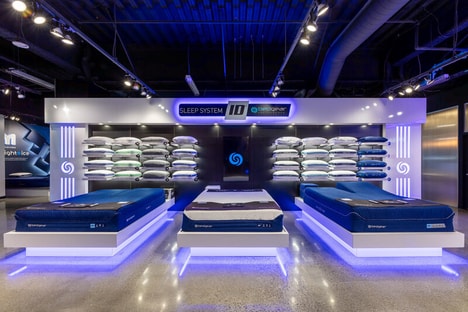
- Sleep-focused companies and device makers could intersect with textile innovations to create integrated systems that monitor and adapt sleeping environments.
- Sustainable Textile Supply Chain
- Raw material growers, recyclers and certification bodies are encountering pressure to trace and verify eco-friendly inputs across increasingly performance-oriented product lines.