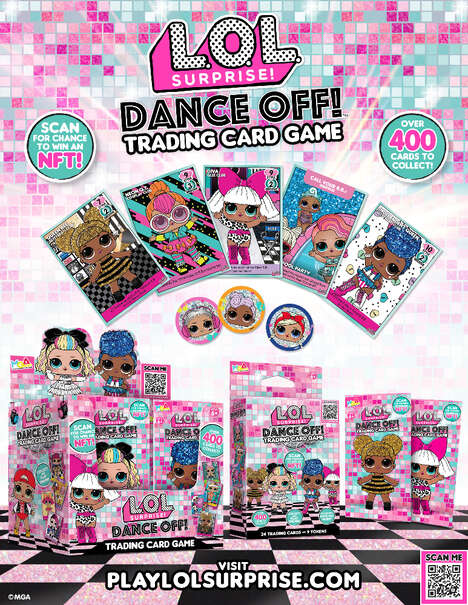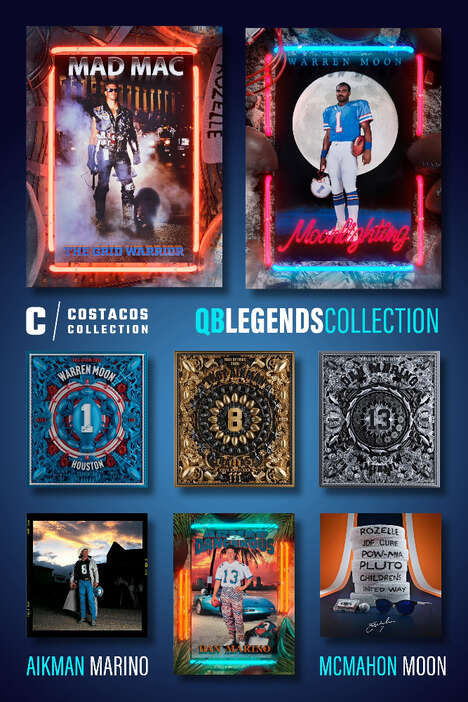
As of January 2020, Panini will be launching officially licensed sports trading cards with blockchain technology, which ensures their authenticity and offers a unique way for fans and collectors to digitally store and circulate their assets—some of which sell for upwards of six figures.
The blockchain trading cards are set to include top athletes like Kobe Bryant, Shaquille O'Neal and Tom Brady, as well as the first-ever blockchain card for Honus Wagner.
When the blockchain trading cards are released, Panini says that they will be "sold in an auction format in U.S. dollars as opposed to a digital currency with 10 cards being released each week." On a closed platform, sports fans and collectors will be able to buy, sell and store their blockchain assets, which serve as representations of one-of-one physical cards.
What Makes This Trend Stand Out
- Blockchain Trading Cards
- Implementing blockchain technology in trading cards ensures authenticity and creates a digital asset for collectors.
- Digital Asset Circulation
- The use of blockchain enables fans and collectors to digitally store and circulate their assets, revolutionizing the trading card industry.
- Auction-based Selling
- Adopting an auction format in U.S. dollars provides a new way for collectors to acquire blockchain trading cards.
Sectors Adopting This
- Sports Memorabilia
- Blockchain technology disrupts the sports memorabilia industry by providing a secure and unique way to authenticate and trade collectible cards.
- Fintech
- The integration of blockchain technology in trading cards presents innovative opportunities for the fintech industry to explore new forms of asset management and investment.
- Artificial Intelligence
- AI algorithms can be leveraged to enhance the verification and authentication process of blockchain trading cards, redefining the role of AI in the art and collectibles market.